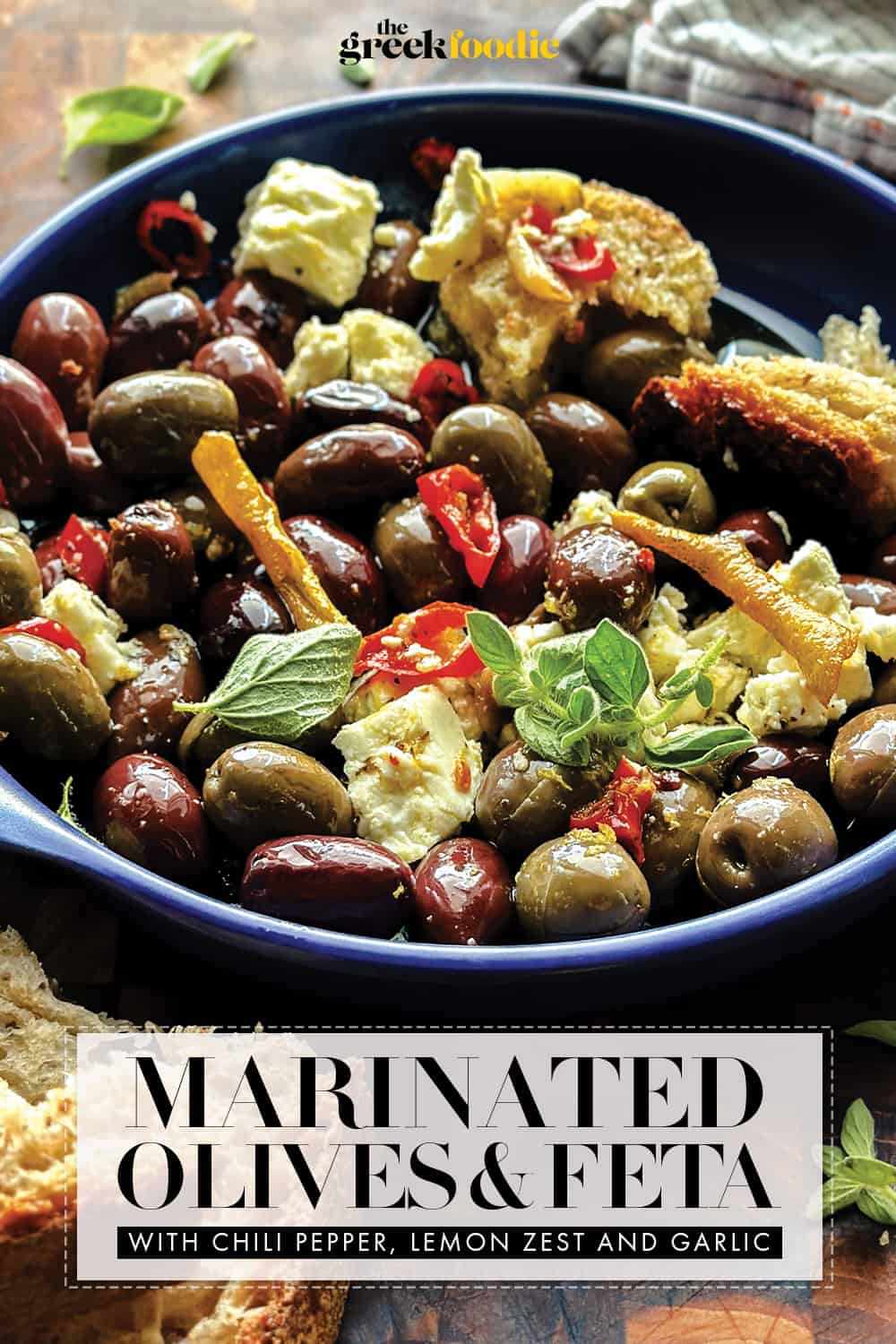

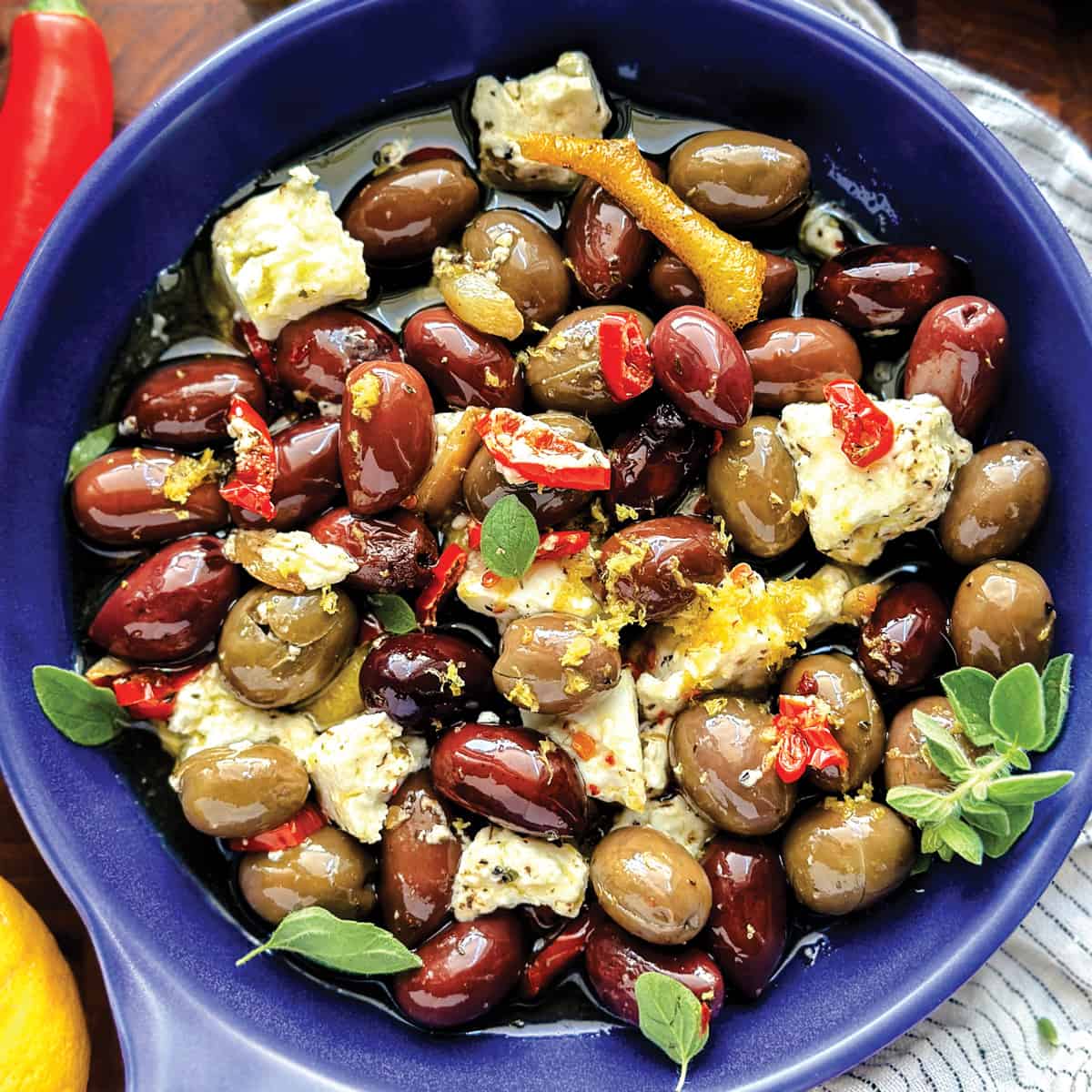
There are marinated olives, and then there are these marinated olives. Most recipes have you toss olives into a jar of oil and wait overnight. This one is different. You bloom the garlic and chili in warm extra virgin olive oil first, add the olives, and let everything cook together for just five minutes. The heat opens up the flavors and infuses the oil in a way that cold marinating simply cannot replicate. Then comes the feta. Cubed and piled into a shallow bowl, it absorbs the warm, garlicky, lemony oil as you pour everything over. The result is one of the most effortlessly delicious meze dishes you will ever put on a table, and it takes ten minutes start to finish. Serve it warm with plenty of crusty bread, and watch it disappear.
If you love these Marinated olives, you will also love this Cretan Dako, Taramosalata, or Olive Oil Bread Dip!
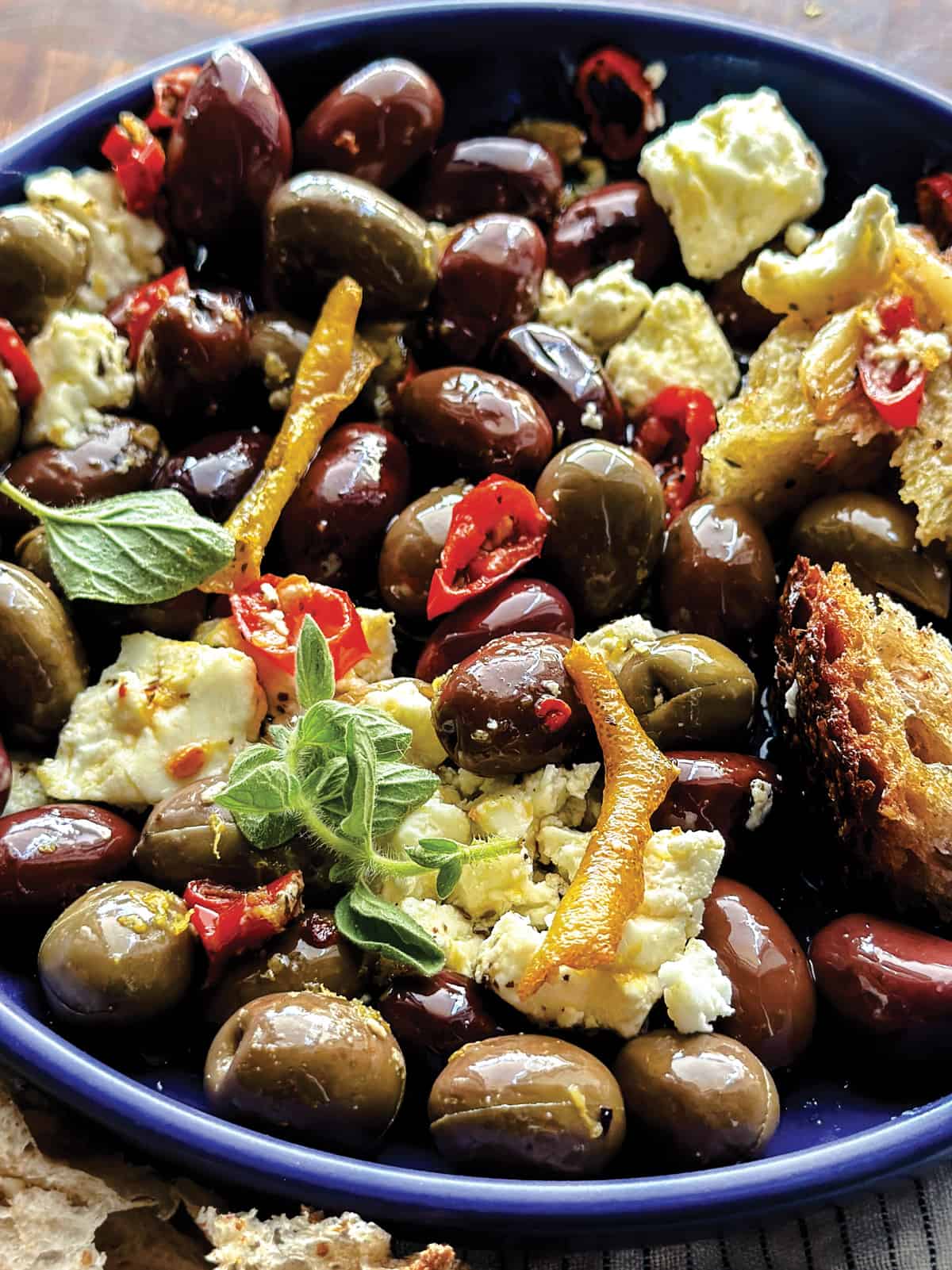
Why you will love marinated feta
Here is what you need
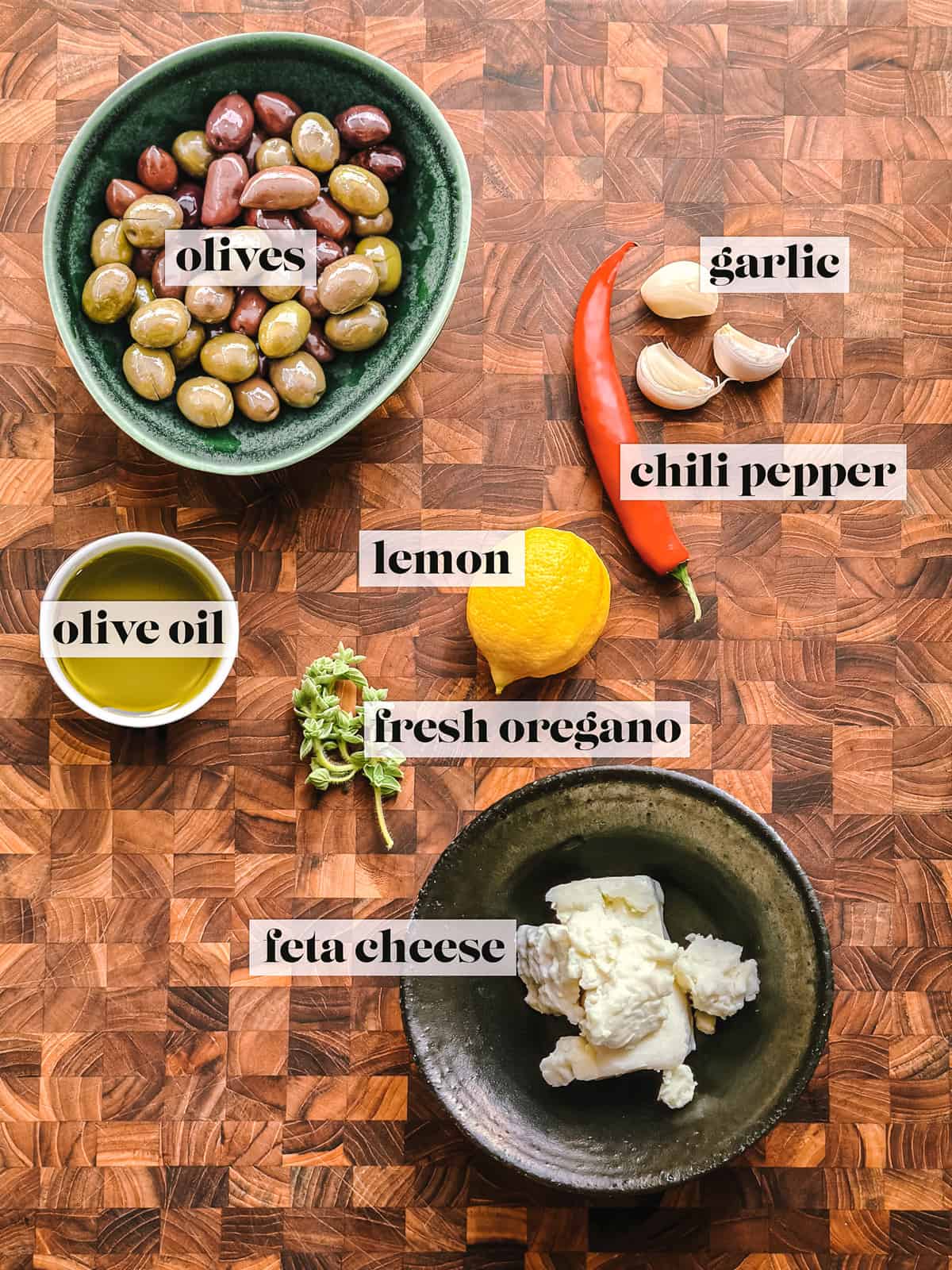
- Olives: This is where you get to have fun. I love using a mix of Greek varieties — Kalamata for their deep, fruity richness, and Chalkidiki greens for their firm flesh and mild bitterness. If you have a Mediterranean grocery nearby with an olive bar, go explore. You can usually pick your own mix, which is a nice touch for guests.
- If you are working with a regular supermarket, a jar of Kalamata olives works beautifully. Just rinse off the brine before you start. And pitted or not is entirely up to you — just give your guests a warning if there are pits. See below our quick guide to Greek olives.
- Extra virgin olive oil. Use the best you can for your budget. This dish is essentially a showcase for the olive oil — it becomes the marinade, the sauce, and the bread dip all at once. I love the Athena Kolymvari Extra Virgin Olive Oil from Crete, which you can find at Shoprite, Whole Foods, and Titan Foods in NY. Avoid blended oils, which dilute the flavor and often contain low-quality vegetable oils.
- Feta cheese. Always buy feta in a block, packed in brine. Pre-crumbled feta in a plastic tub is dry and has no real flavor. Fat-free feta does not exist in Greece and should not exist in your kitchen. Good, widely available brands in the US: Dodoni, Vikos, or Trader Joe’s Greek feta in brine, all solid choices.
- Lemon. You will use both the peel (in long strips while cooking) and the zest (added at the end fresh). When you peel the strips, scrape away the white pith — it is bitter and will muddy the flavor of the oil. Once the pith is removed, the peel is entirely edible and lovely.
- Chili pepper. One fresh chili adds warmth without taking over. Substitute freely with a teaspoon or more of chili flakes, totally up to your heat preference.
A quick guide to Greek olives
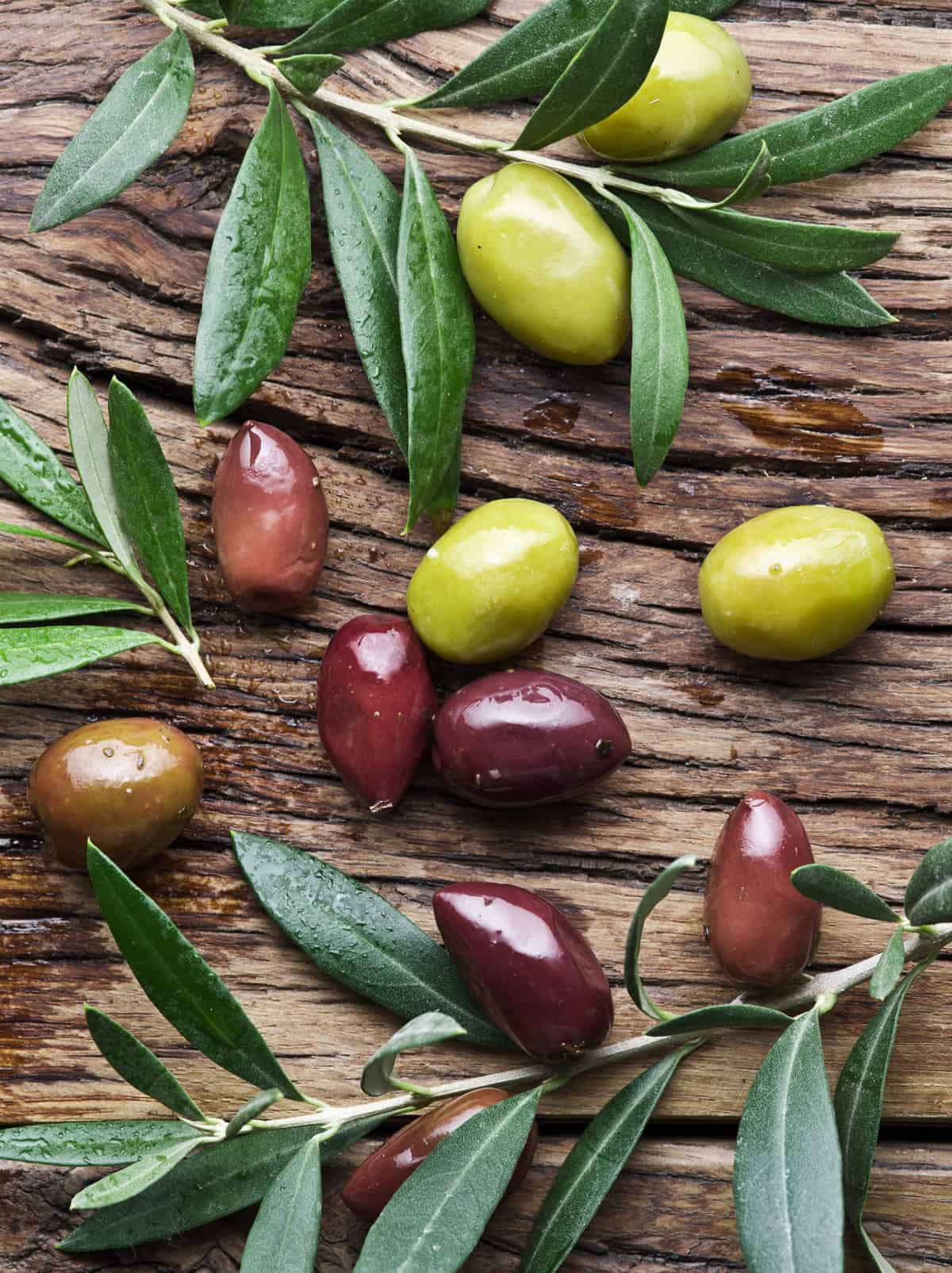
Kalamata olives: These meaty olives have tight skin and are pretty large, with an almond-shaped and dark aubergine color. The brining process involves the addition of red wine or red wine vinegar, which gives them a rich and fruity flavor that is simply exquisite.
Green olives from Chalkidiki: These olives are known for their vibrant green skin that has a glossy finish. Their flesh is firm and rich, and they have a subtle fruity scent. When it comes to taste, they have a unique blend of bitterness and spiciness that is truly one-of-a-kind. They are widely recognized in Greece and beyond as some of the finest table olives available.
Throumpa olives from Crete: These olives have a distinct black hue and a firm consistency. They are naturally cured on the tree, as they mature, the Phoma oleae fungus causes them to lose their bitterness without any human intervention. Once the best olives have been selected, nature does the rest.
Throumpa olives from Chios: Like the Cretan variety, the bitterness of these olives is removed naturally by the Phoma oleae fungus on the tree — no extra processing needed. They are left to dry out naturally without any additional heat sources. You can find Throumpa Chiou all over the island and beyond, and they are gaining well-deserved popularity for their deliciously sweet flavor.
Beyond Greece: You can use many wonderful olives from other countries, such as Castelvetrano olives from Sicily, Italy (buttery and mild), Cacereña and Manzanilla from Spain, or Olives Noires de Nyons from France. Any good-quality olive will shine in this marinade.
Reference: Tasteatlas.com
Step by step
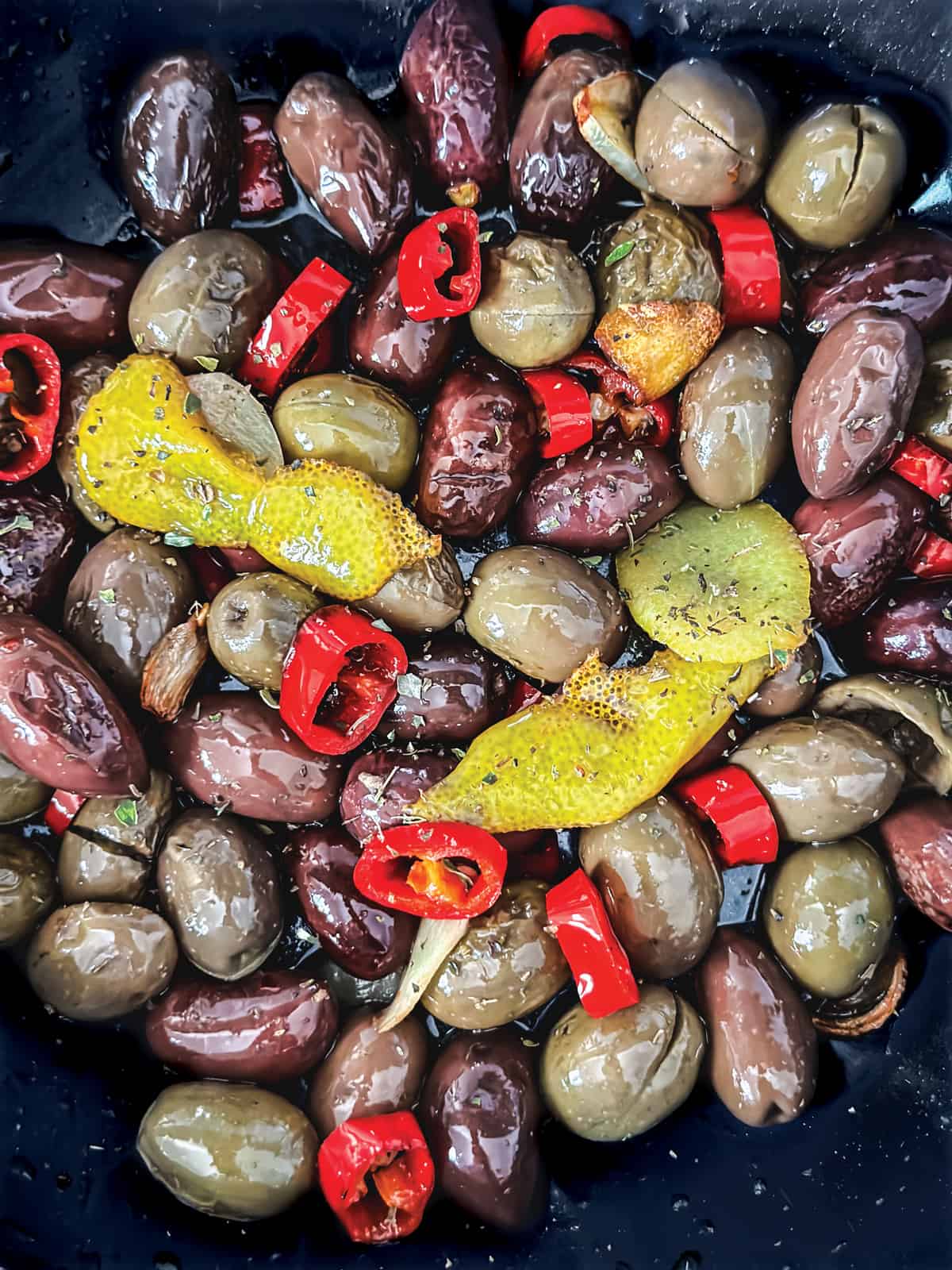
- Slice the garlic and chili pepper.
- Remove two to three long strips of peel from one lemon using a vegetable peeler.
- Scrape or slice off the white pith at the back of the lemon peel. The pith can be bitter and can add an unpleasant note to the flavor. When it is removed, the peel will be edible.
- In a skillet, add ¼ cup of extra virgin olive oil, the sliced garlic, lemon peel, and sliced chili pepper, and cook over medium heat for two to three minutes. Add the olives and cook for five minutes.
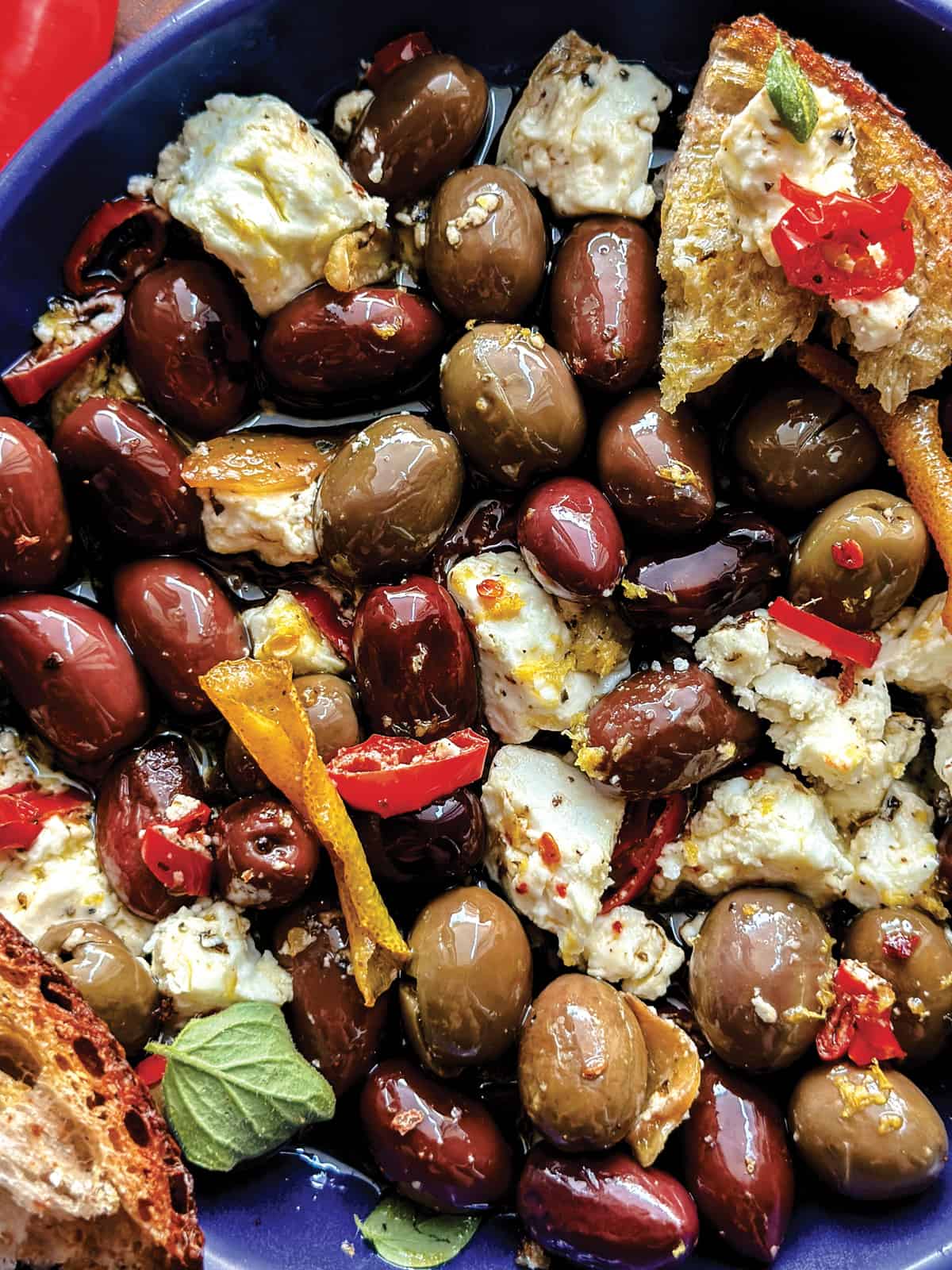
- Break the feta into bite-sized pieces and put it in a shallow bowl. Pour over the olives, garlic, chilies, and all the olive oil.
- Zest the other half of the lemon on top. Serve immediately with crusty bread. Enjoy!
Pro tips
- Don’t rush the garlic. Two to three minutes over medium heat is the sweet spot — fragrant and golden, not brown. Burnt garlic will make the whole oil taste bitter.
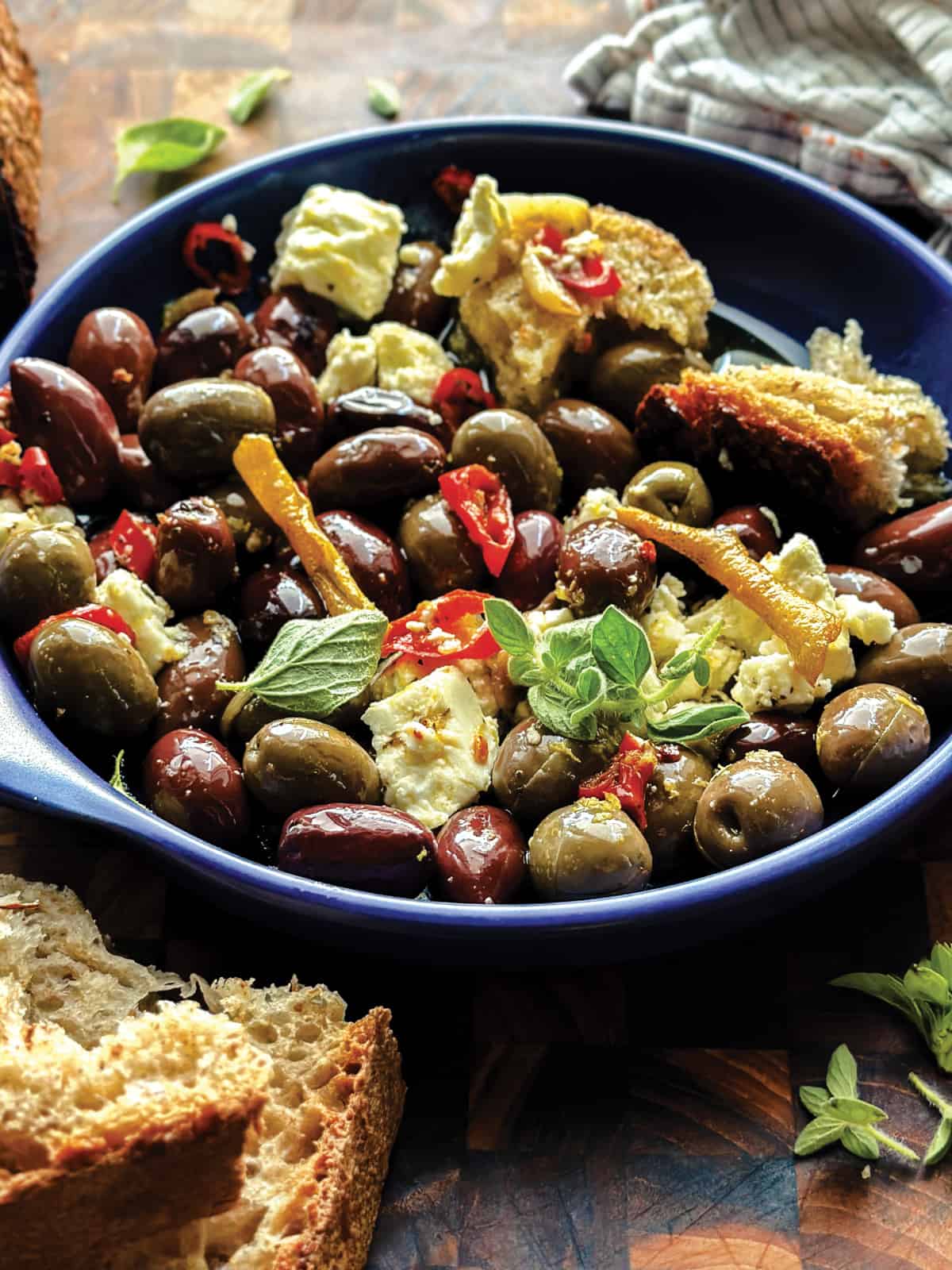
- Use a shallow bowl for serving. You want the feta and olives spread out so every piece gets coated in that gorgeous olive oil.
- Serve while still warm. The dish is best the moment you make it, when the oil is liquid and fragrant and the feta is just starting to soften at the edges.
- Make extra oil. Leftover marinade oil is incredible on bread, drizzled over roasted vegetables, or used to dress a simple salad the next day.
- Mix your olives. A combination of black and green olives — Kalamata and Chalkidiki especially — gives you different textures and flavor notes in every bite.
Love a good meze spread? These 17 Light Greek Appetizers & Mezedes have all my favorite dips, fritters, and pies for easy spring entertaining.
Serving suggestions
These marinated olives are a natural anchor for a Greek meze spread or charcuterie board. Here is how I love to serve them:
- With warm, crusty bread or homemade crackers for mopping up the oil — non-negotiable.
- As part of a meze table alongside Taramosalata, Greek Fava Dip, and Olive Oil Bread Dip.
- On a charcuterie board with cured meats, hard cheeses, and fruit.
- As a topping for grilled fish — spoon the olives and oil right over a fillet of sea bass or branzino.
- Alongside a simple Greek salad for a light summer lunch.
Storage and make-ahead
- Storage: Leftovers keep in an airtight container in the refrigerator for up to 4–5 days. The olive oil will solidify when cold — just bring to room temperature or warm gently in a small pan before serving.
- Make-ahead: You can make the warm olive marinade (without the feta) a day ahead and store it in the fridge. When ready to serve, warm gently, pour over fresh feta, and finish with lemon zest.
- Freezing: Not recommended — the feta texture suffers and the olives lose their firmness.

FAQs
More Greek recipes you’ll love
Cooked it? Rate it!
If you tried this recipe, I’d love to know how you liked it — drop a comment below or tag me on Instagram @thegreekfoodie__.


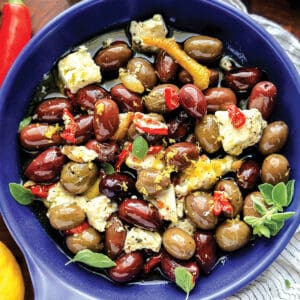
Marinated Olives With Feta, Lemon and Garlic
Ingredients
- ¼ cup extra virgin olive oil
- 3 garlic cloves, sliced
- 1 chili pepper, sliced
- 1 cup olives, pitted
- 1 lemon
- ⅔ cup feta cheese
For serving
- 1 tablespoon fresh oregano leaves
Instructions
- Slice the garlic and chili pepper.Remove two to three long strips of peel from a lemon using a vegetable peeler. Slice or scrape the white pith off from the back of the lemon peel.1 chili pepper, 1 lemon
- In a skillet, add ¼ cup of extra virgin olive oil, the sliced garlic, lemon peel and sliced chili pepper and cook over medium heat for two to three minutes. Add the olives and cook for five minutes.¼ cup extra virgin olive oil, 1 cup olives, 3 garlic cloves
- Break the feta into bite-size pieces and put it in a shallow bowl. Pour over the olives, garlic, chilies, and all the olive oil. Zest the other half of the lemon on top.Serve immediately with crusty bread. Enjoy!⅔ cup feta cheese, 1 tablespoon fresh oregano leaves
Notes
Nutrition