

There’s no such thing as “Greek salad dressing” in a bottle in Greece. What we have is something much simpler and much better. A generous pour of good olive oil, a splash of red wine vinegar, a pinch of dried oregano rubbed between your palms, and a little sea salt. Always sea salt. That’s ladoxido, the everyday Greek dressing, and it’s been on Greek tables for generations. But depending on what you’re serving, there are beautiful variations. A splash of lemon juice alongside the vinegar for a brighter, lighter touch. Kalamata olives and garlic blended in when you want something bolder and more complex, the kind of dressing that turns a simple salad into something you want to mop up with bread.
In this post, I’m sharing three Greek salad dressings I make in my own kitchen: the classic and two variations. All three are authentically Greek, all come together in minutes, and once you taste homemade, you’ll never reach for a bottle again.
Looking for ladolemono? I have a full post dedicated to the classic Greek olive oil and lemon dressing.
Why you will love Greek salad dressing
Ingredient Notes
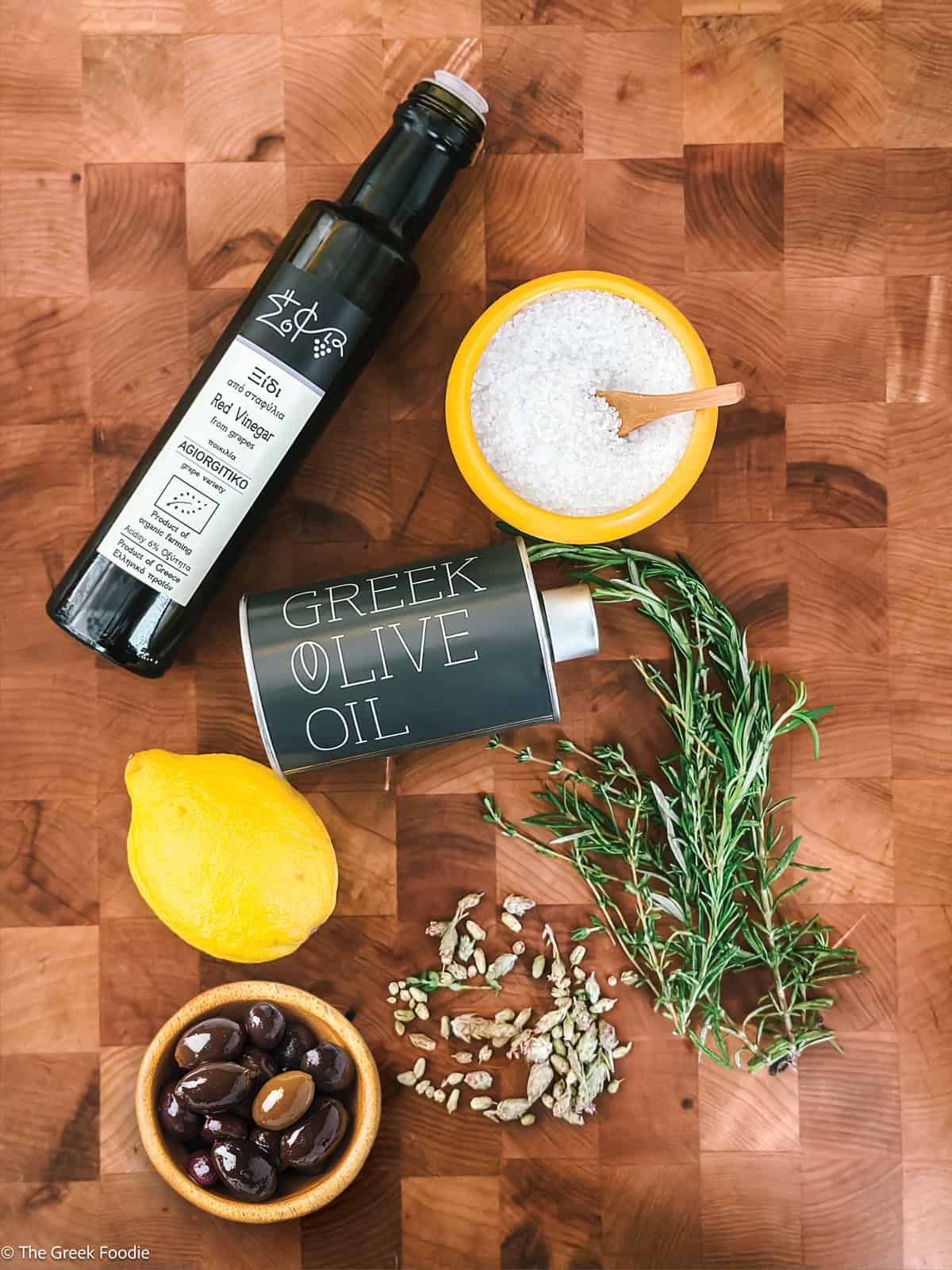
Extra virgin olive oil — The backbone of every Greek dressing. Use the best you can — a good Greek EVOO makes a real difference when olive oil is the main flavor, not just a carrier. Look for a cold-pressed, single-origin oil with a recent harvest date.
Red wine vinegar — The classic Greek acid for salad dressings. Look for good quality — it should taste bright and clean, not harsh or sharp. Greeks reach for red wine vinegar far more readily than white in dressings.
Fresh lemon juice — Used in the lemon vinaigrette and olive dressing. Always fresh, always strained. Bottled lemon juice won’t give you the same brightness.
Dried oregano — Greek oregano is more aromatic and slightly more bitter than Italian — if you can find it, use it. Always rub it between your palms before adding to release the oils. This small step makes a real difference.
Sea salt — Greeks always use sea salt. It dissolves better in dressings and has a cleaner, rounder flavor than table salt.
Kalamata olives — For the olive dressing, use good-quality Kalamata olives packed in brine or olive oil. Skip the pre-sliced canned variety — they lack the depth you want here.
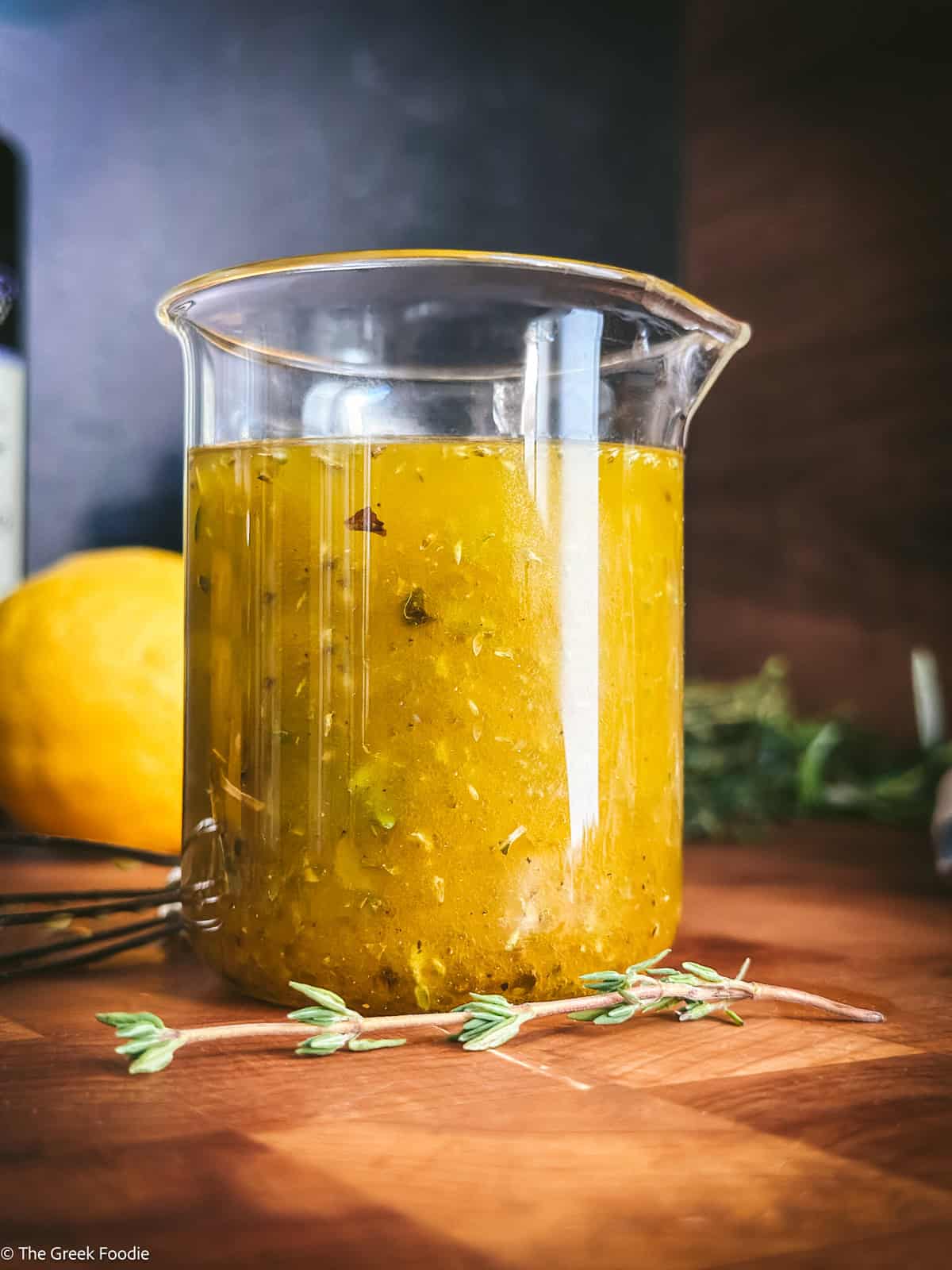
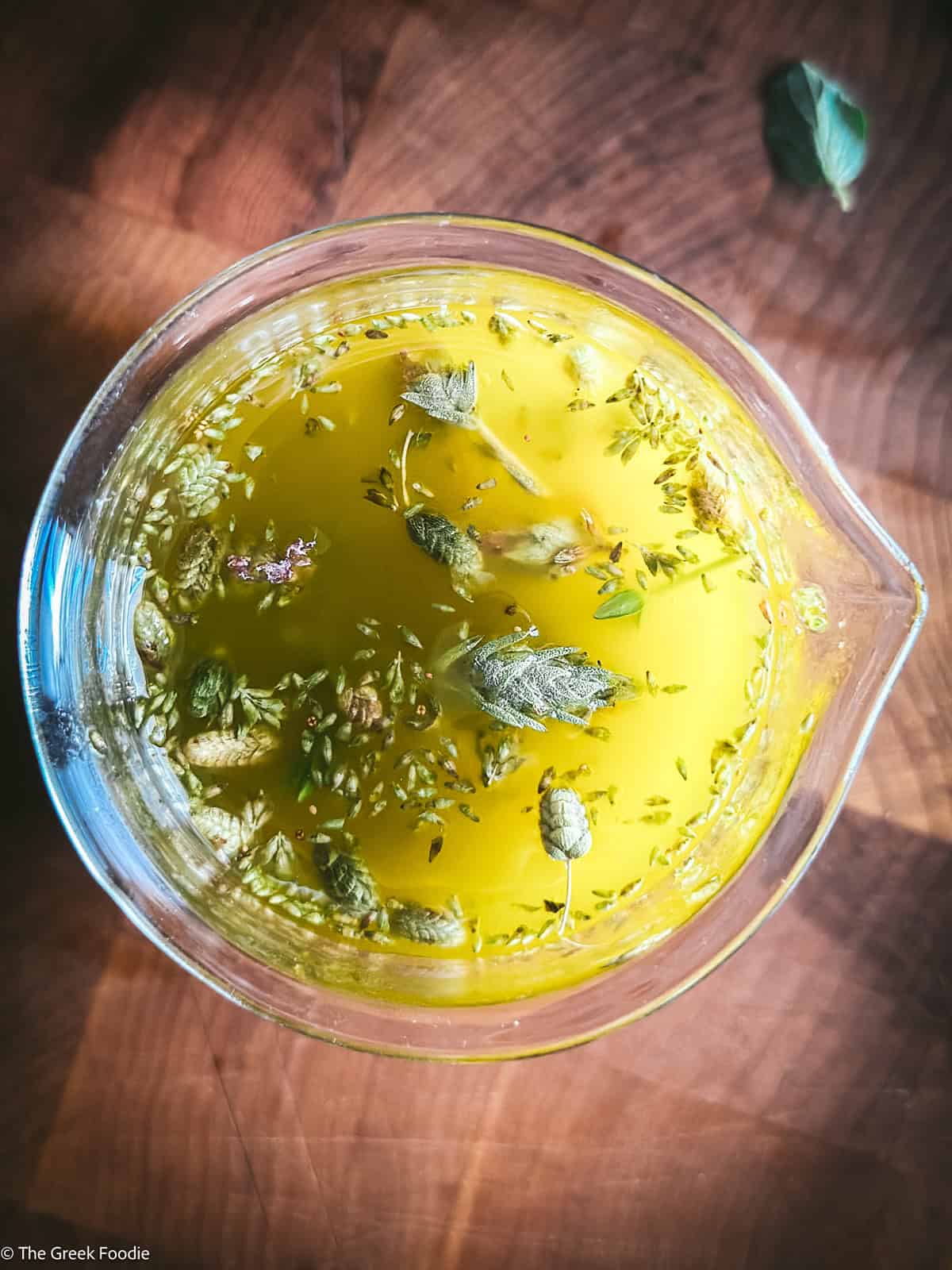
Fresh herbs — If you have fresh oregano, rosemary, basil or thyme on hand, add a small sprig or a few leaves to any of these dressings. Fresh herbs bring a brightness and fragrance that dried can’t replicate — and they make a jar of dressing look absolutely beautiful. This isn’t traditional in the everyday Greek kitchen, but it’s one of those small touches that elevate a simple dressing into something that feels special. No need to adjust any of the recipes — just add and shake.
The recipes
Classic Ladoxido (Greek Oil & Vinegar Dressing)
The everyday Greek dressing. This is what goes on a classic horiatiki salad, a simple tomato salad, a plate of greens. Make it once, and you’ll make it forever.
Ingredients (serves 4)
- ½ cup (120ml) extra virgin Greek olive oil
- 3 tablespoons red wine vinegar
- 1 teaspoon dried Greek oregano
- ¼ teaspoon sea salt
- Freshly ground black pepper to taste
Instructions: Add all ingredients to a jar with a tight-fitting lid. Seal and shake well until combined. Taste and adjust seasoning. Use immediately or store in the refrigerator for up to 1 week — shake well before each use.
Tip: The classic ratio for ladoxido is roughly 3 parts olive oil to 1 part vinegar — but in Greece, nobody measures. Start there and adjust to your taste.

Greek Lemon & Vinegar Dressing
A little lighter than the classic, with both lemon juice and red wine vinegar for a brighter, fresher finish. Perfect over maroulosalata lettuce salad or any salad with grilled vegetables or roasted zucchini.
Ingredients (serves 4)
- 3 tablespoons extra virgin Greek olive oil
- 1 tablespoon fresh lemon juice, strained
- 1 tablespoon red wine vinegar
- 1 teaspoon dried Greek oregano
- ¼ teaspoon sea salt
- ¼ teaspoon freshly ground black pepper
Instructions: Add all ingredients to a jar with a tight-fitting lid. Seal and shake vigorously until well combined. Use immediately or refrigerate for up to 1 week. Shake before serving.
Fresh herbs
A sprig of fresh oregano, rosemary, or thyme dropped into the jar adds color, aroma, and a lovely freshness to any of the three dressings. No adjustments needed — just add it in and shake.
Greek Kalamata Olive Dressing
Bolder and more complex than the classic, this dressing brings the briny depth of Kalamata olives together with garlic, lemon, and a generous pour of olive oil. Wonderful over sturdy greens, roasted vegetables, grain salads, or as a dip for crusty bread.
Ingredients (serves 4–6)
- 1 cup (240ml) extra virgin Greek olive oil
- ½ cup red wine vinegar
- 2 tablespoons fresh lemon juice, strained
- 2 tablespoons Kalamata olives, sliced
- 1 teaspoon garlic, minced
- 2 teaspoons dried Greek oregano
- Sea salt and freshly ground black pepper to taste
Instructions: Combine all ingredients in a jar and shake well, or whisk together in a bowl until fully combined. For a smoother, creamier consistency, blend briefly with an immersion blender. Taste and adjust seasoning. Store refrigerated for up to 1 week — shake or stir well before serving.
Tip: The olives will settle — give the jar a good shake every time before dressing your salad. A quick blitz with an immersion blender makes it creamier and really helps the flavors meld
Pro tips
- Always use good olive oil — in a dressing this simple, you taste everything. A grassy, peppery Greek EVOO is worth it.
- Rub your oregano — dried oregano releases far more flavor when you rub it between your palms before adding. This is the Greek way.
- Season after combining — always taste and adjust salt after you’ve mixed everything; the balance shifts once the dressing comes together.
- The jar method — all three of these dressings are perfectly suited to a jar with a tight lid. Shake, taste, dress. No bowls, no whisks, no cleanup.
- Let it rest — especially the olive dressing, 10–15 minutes of resting before serving lets the flavors come together beautifully.
- Dress at the last minute — Leafy salads are generally dressed right before serving. The exception is horiatiki salad: because of the tomatoes, it’s actually best to dress it and let it sit at room temperature for 15–30 minutes before eating. The tomatoes release their juices, which mingle with the olive oil and vinegar at the bottom of the bowl — it becomes something truly special. Don’t skip that step.
Storage and make-ahead
All three dressings keep well in a sealed glass jar in the refrigerator for up to 1 week. Olive oil will solidify slightly when cold — this is completely normal. Remove from the fridge 10–15 minutes before using and shake well before dressing your salad.
These dressings are not suitable for freezing.
Serving suggestions
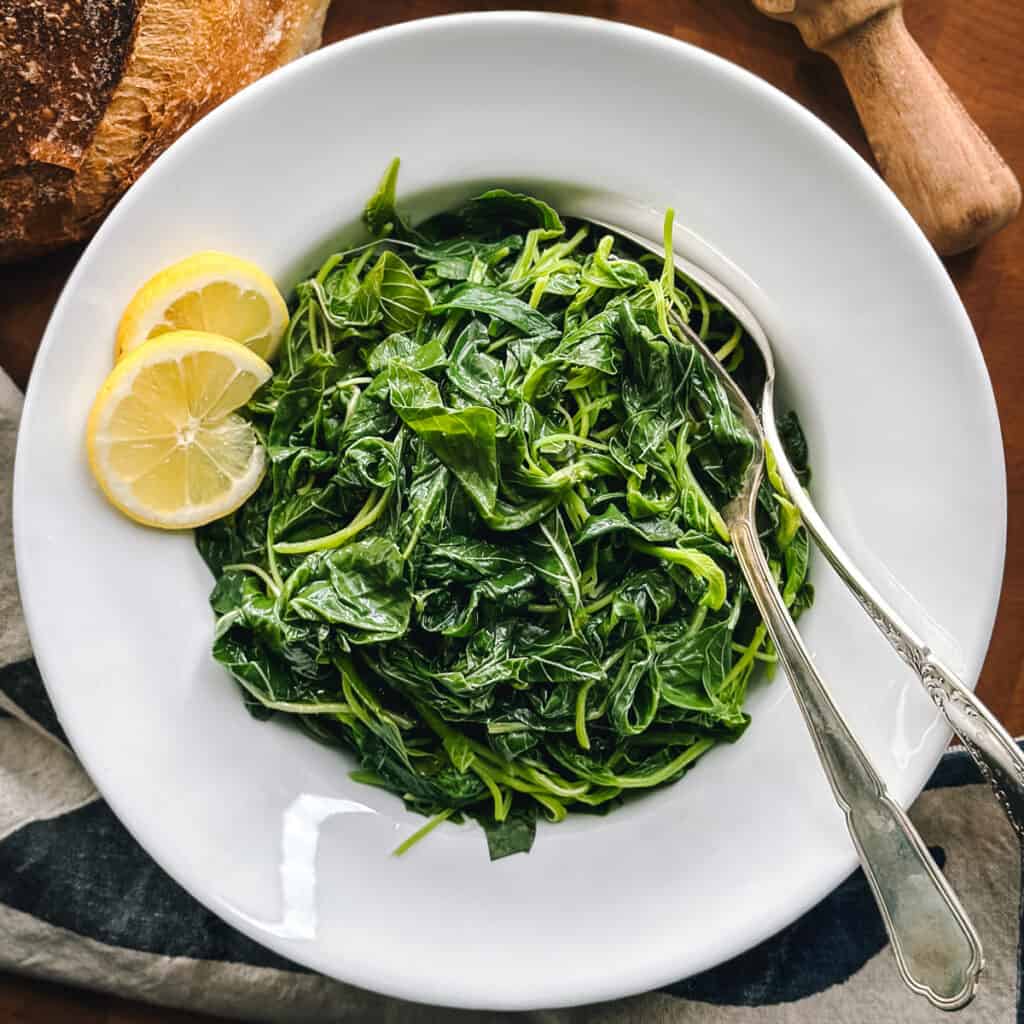
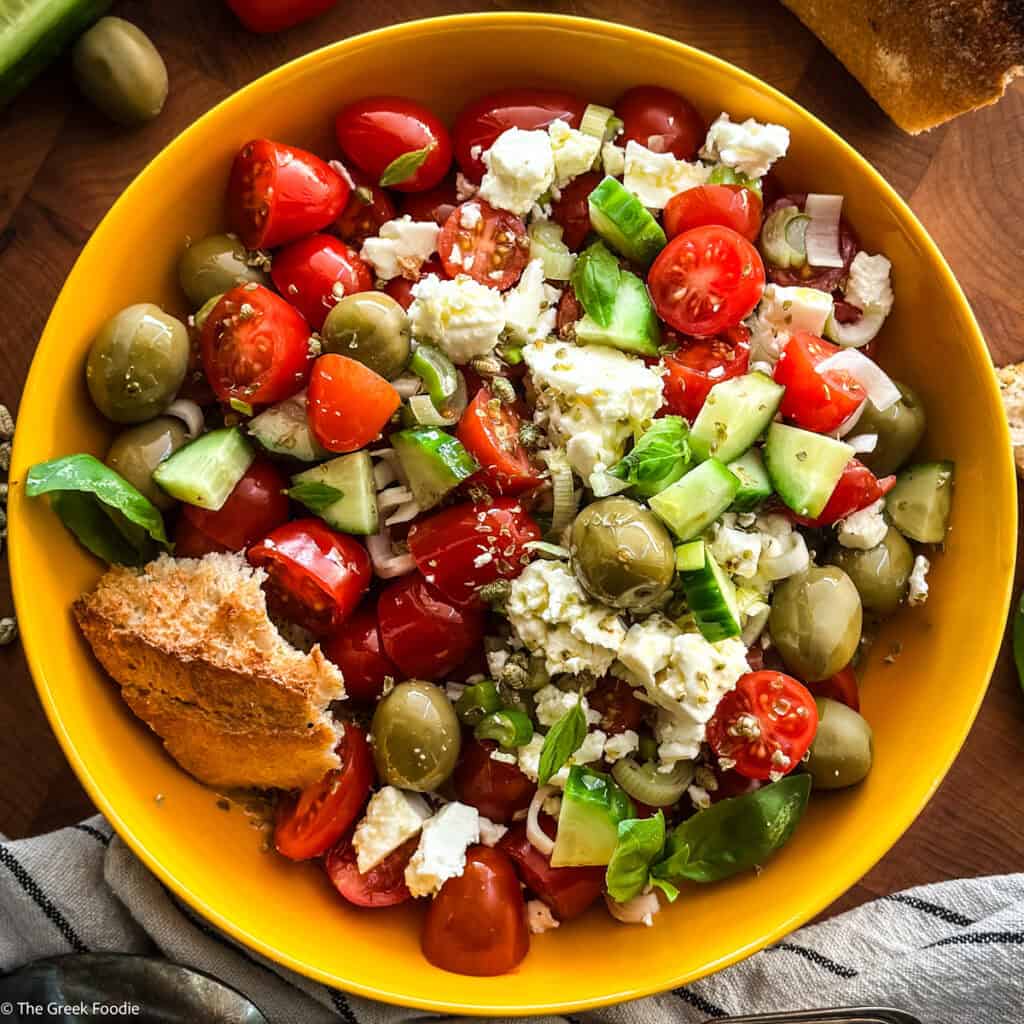
- Classic Ladoxido — horiatiki tomato and cucumber salad, leafy green salad, steamed wild greens (horta)
- Lemon & Vinegar — horiatiki, grilled vegetable salads, roasted zucchini or eggplant
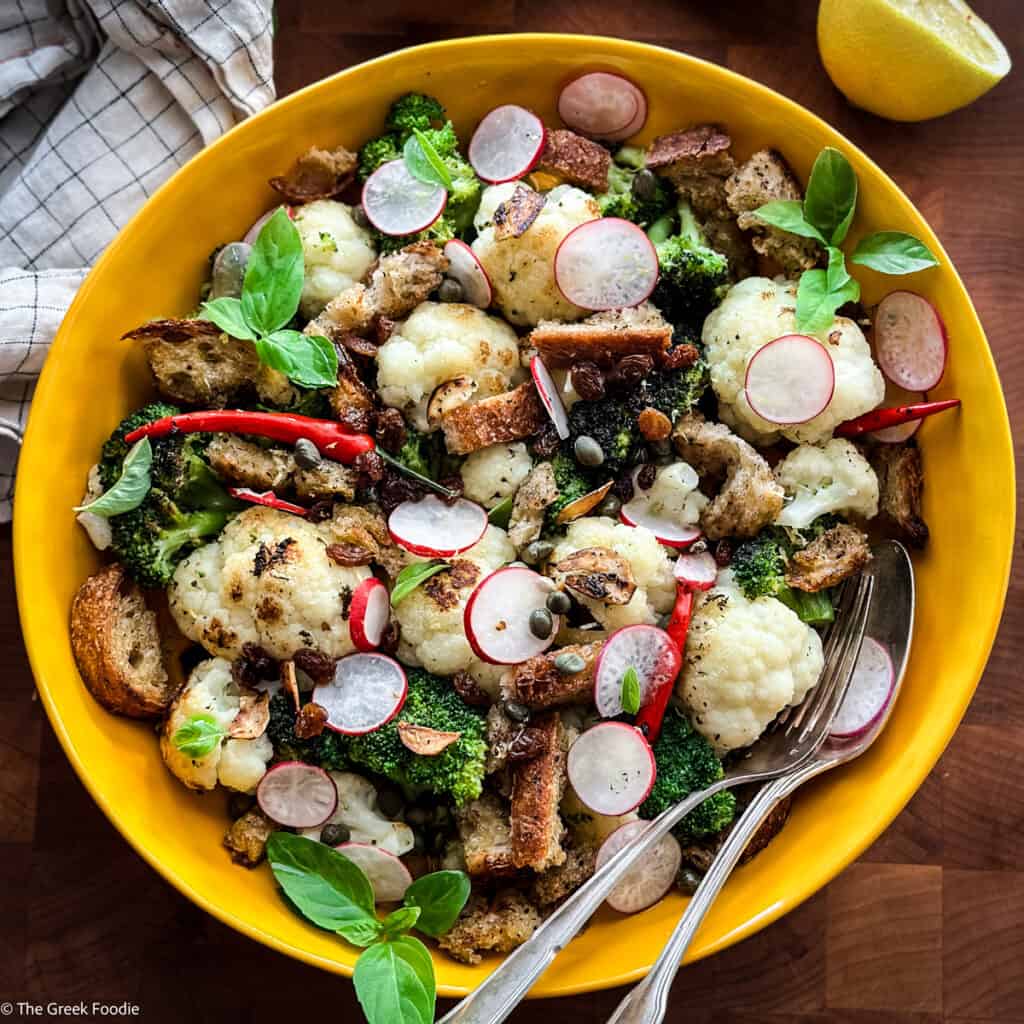
- Kalamata Olive Dressing — sturdy greens like arugula or romaine, roasted vegetables, grain bowls, as a dip for crusty bread, alongside marinated olives with feta

FAQs
Try these with your Greek dressing

Cooked it? Rate it!
If you tried this recipe, I’d love to know how you liked it — drop a comment below or tag me on Instagram @thegreekfoodie__.



Greek Salad Dressing
Ingredients
Classic Ladoxido (the base recipe):
- ½ cup extra virgin Greek olive oil
- 3 tablespoons red wine vinegar
- 1 teaspoon dried Greek oregano
- ¼ teaspoon sea salt
- Freshly ground black pepper to taste
Instructions
- Add all ingredients to a jar with a tight-fitting lid. Seal and shake well until fully combined.Taste and adjust — more vinegar for tang, more oil to mellow it out.Use immediately or refrigerate for up to 1 week. Shake well before each use.
Notes