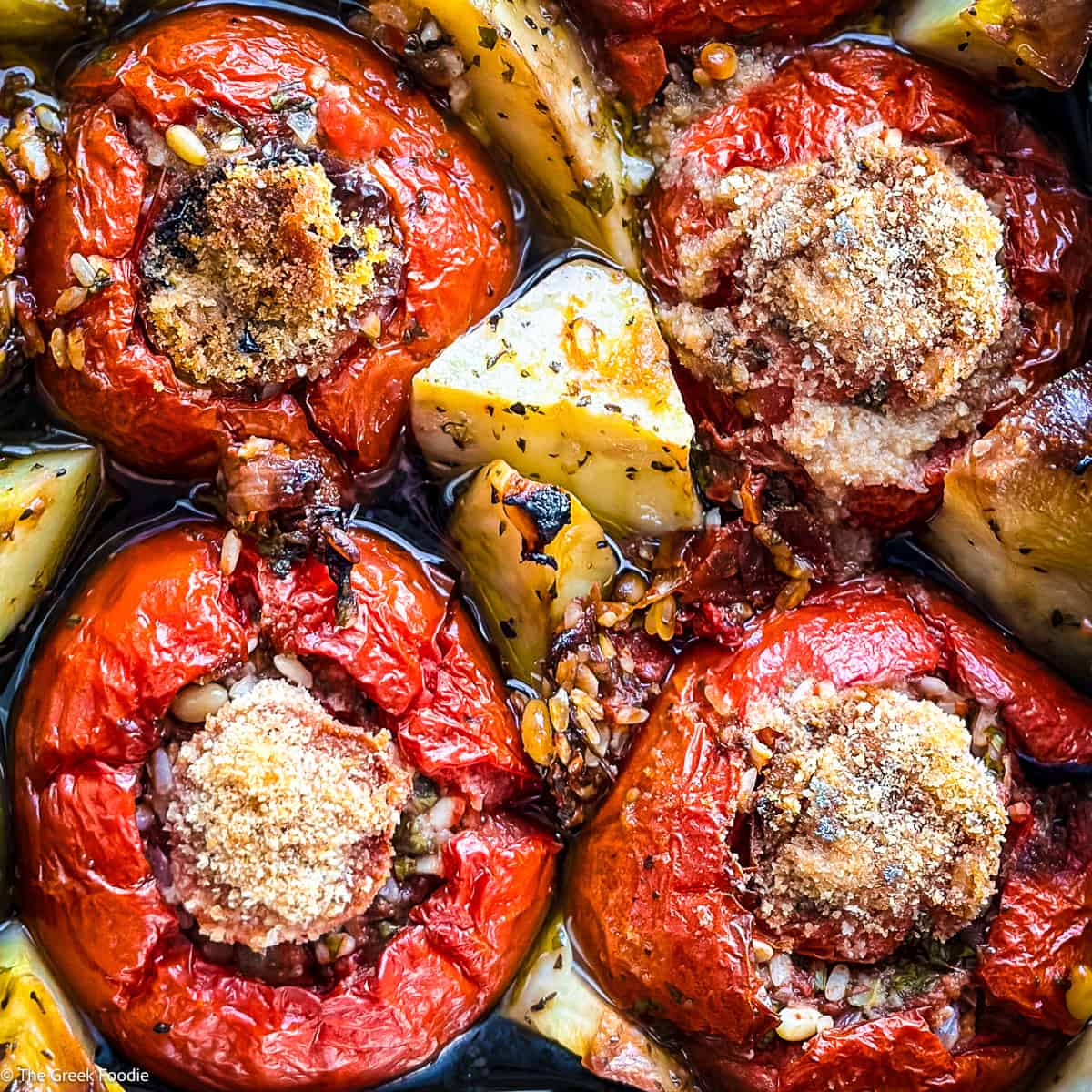
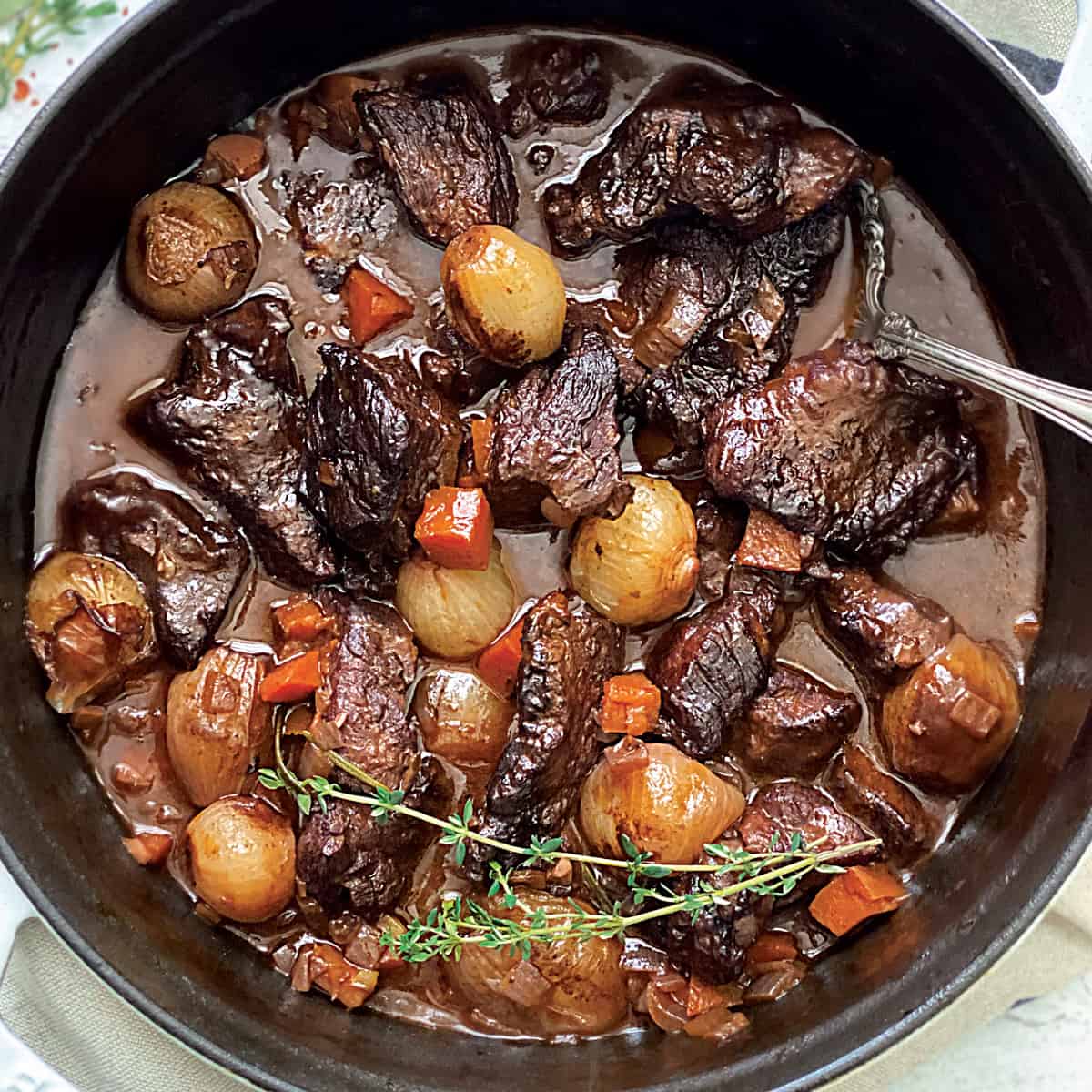
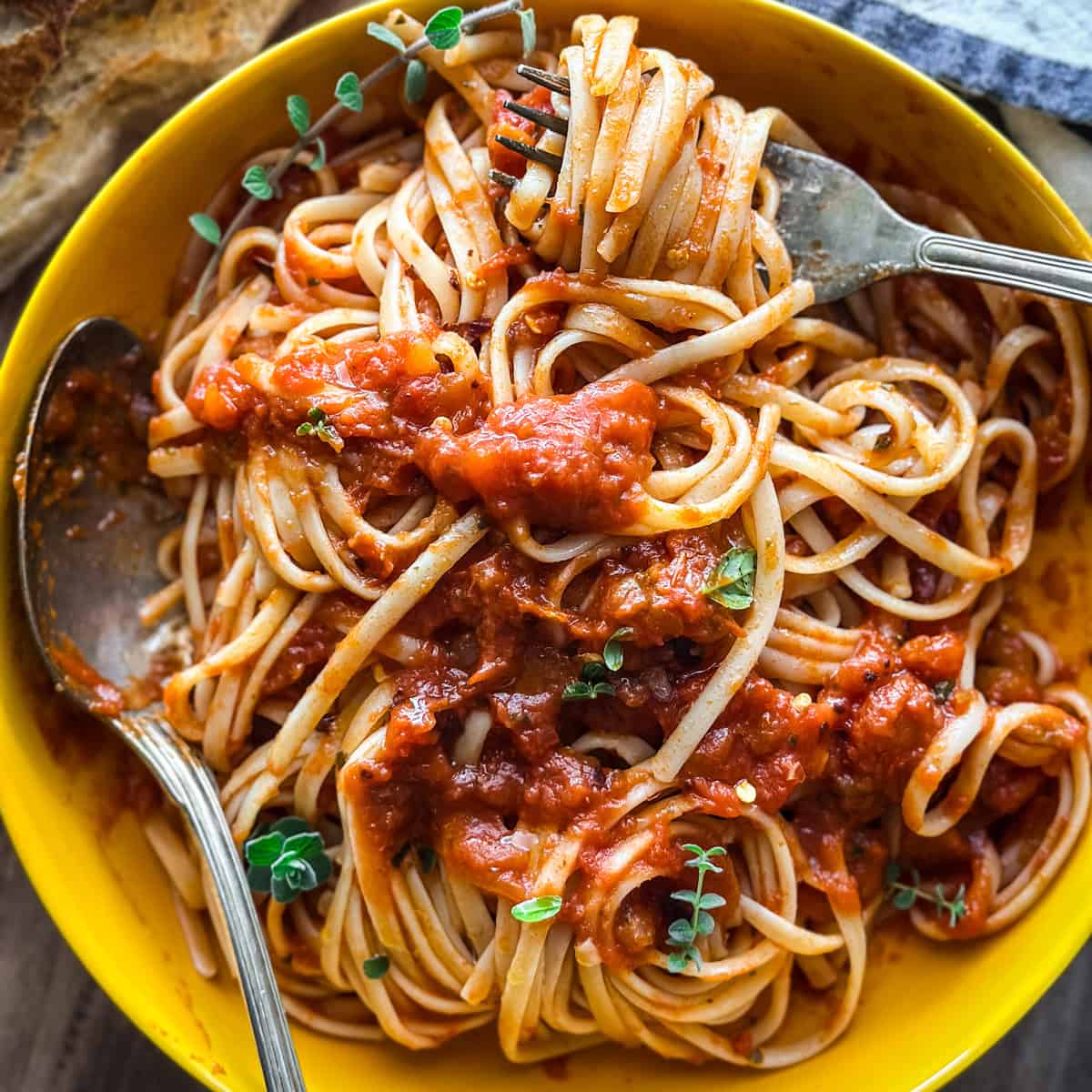
Christmas in Greece is the end of a long wait, and the table shows it. After weeks of fasting, the oven goes on and stays on: pork roasting with dried fruit, a turkey stuffed with rice and chestnuts, pies cut into squares, and platters of honey cookies and powdered-sugar cookies on every side table.
Christmas Day was always at my grandmother Evgenia’s. She was from Constantinople, and her table leaned warm and spiced: her Kaisareia pie with pastourma and kasseri, a golden pilafi, a cheese board of graviera, Roquefort and feta, warm bread rolls, and a row of mustards down the middle. My mother’s family is from Chania, in Crete, so I grew up between two Greek kitchens, and this menu borrows from both.
Here is all my Greek Christmas food in one place, 25 recipes, in the order they reach the table: meze, soup and pies, the roasts, sides, and sweets. Short on time? Jump to the make-ahead plan.
Overview
What do Greeks eat for Christmas?
Traditional Greek Christmas food is built around pork, rice and honey: roast or braised pork (or, more recently, turkey with a rice stuffing), avgolemono soup, stuffed cabbage rolls, savory pies, Christmas bread, and two cookies, melomakarona and kourabiedes. The details change from region to region.
Many Greek families keep the 40-day Nativity fast, from November 15 to Christmas Eve, so Christmas dinner is the moment meat, cheese and butter come back. Pork is the traditional Greek Christmas meat. Village families raised a pig through the year and slaughtered it in the days before Christmas, and the feast was built around it. Turkey came later and is now common, especially in the cities, and Greeks stuff it with rice, not bread.
The rest depends on where your family comes from. In northern Greece, cabbage leaves are rolled around meat and rice, a shape said to recall the swaddling clothes of the newborn Christ. In Epirus, milk pie belongs on the table. Almost everywhere there’s a pot of avgolemono soup after church, and melomakarona and kourabiedes fill the bakery windows from late November. Some families bake christopsomo, “Christ’s bread,” marked with a cross on Christmas Eve. The season runs twelve days, through New Year’s and Epiphany on January 6, so this food carries you well past the 25th.
Greek Christmas meze and appetizers
Something to pick at while everyone arrives and the roast finishes.
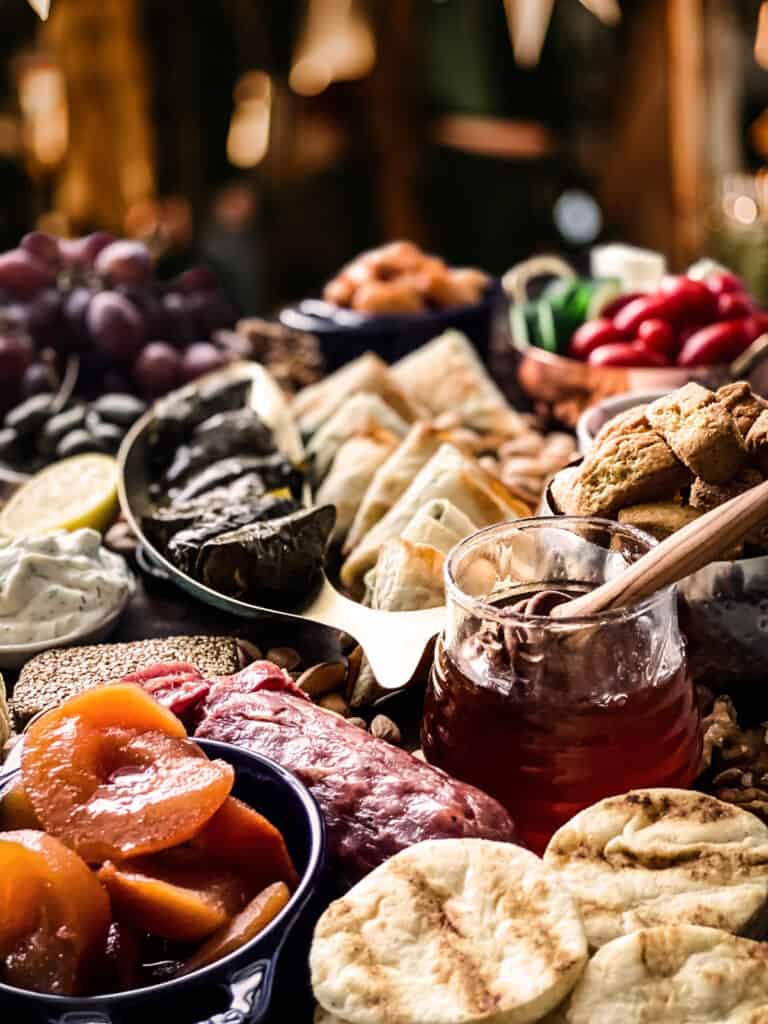
Greek grazing board
My guide to a festive Greek meze board: Greek cheeses, cured meats, olives, dips, fruit and good bread, set out so guests can graze while the oven does its work.
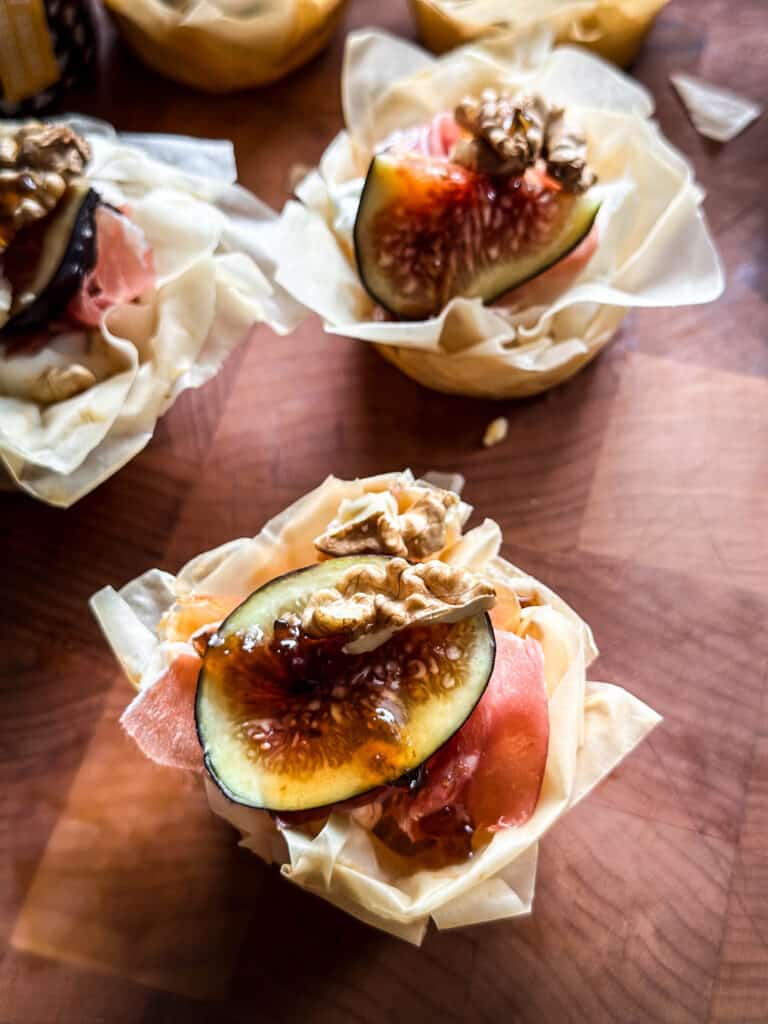
Crisp, buttery phyllo cups with eight fillings, from gorgonzola with pomegranate and walnuts to prosciutto with figs and mascarpone. Bake the cups ahead and fill them just before guests arrive.
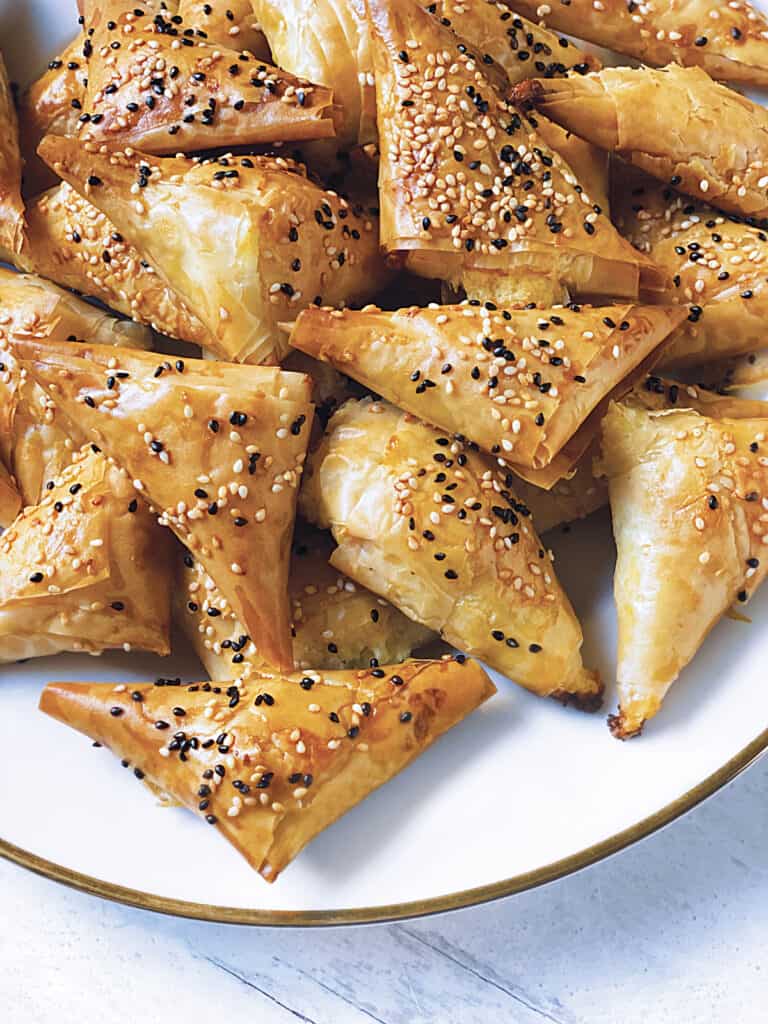
Phyllo triangles filled with graviera from Crete and thin slices of Greek pancetta. As a kid I ate these straight from my grandmother's baking pan at every big family table, and they still disappear first.
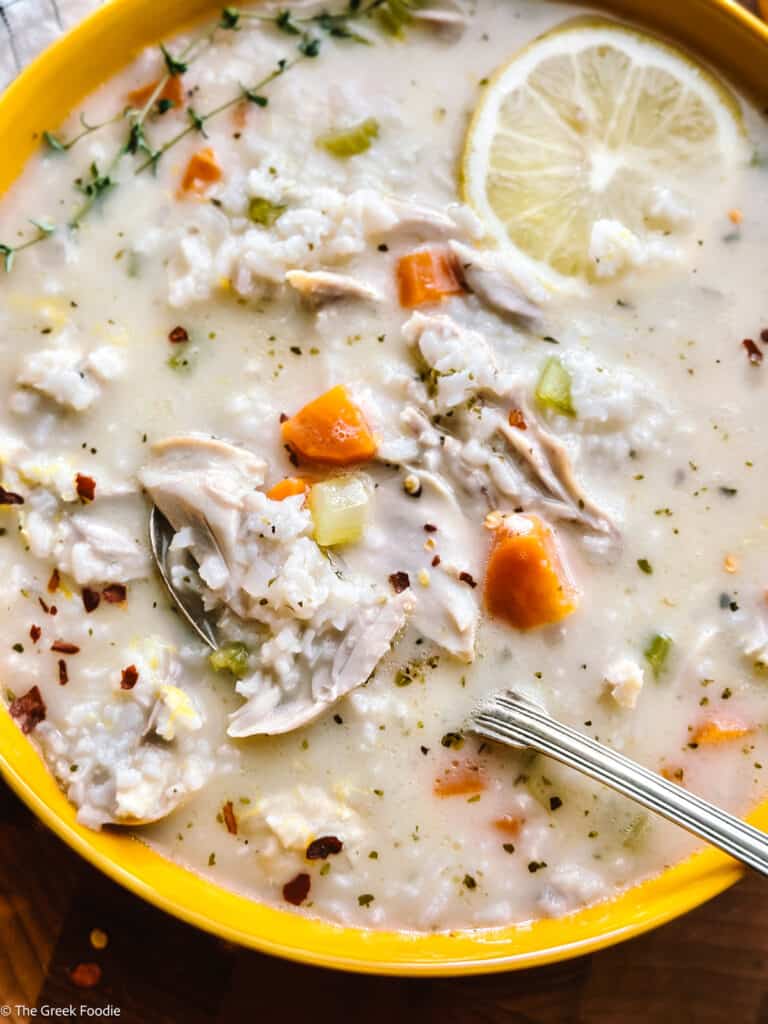
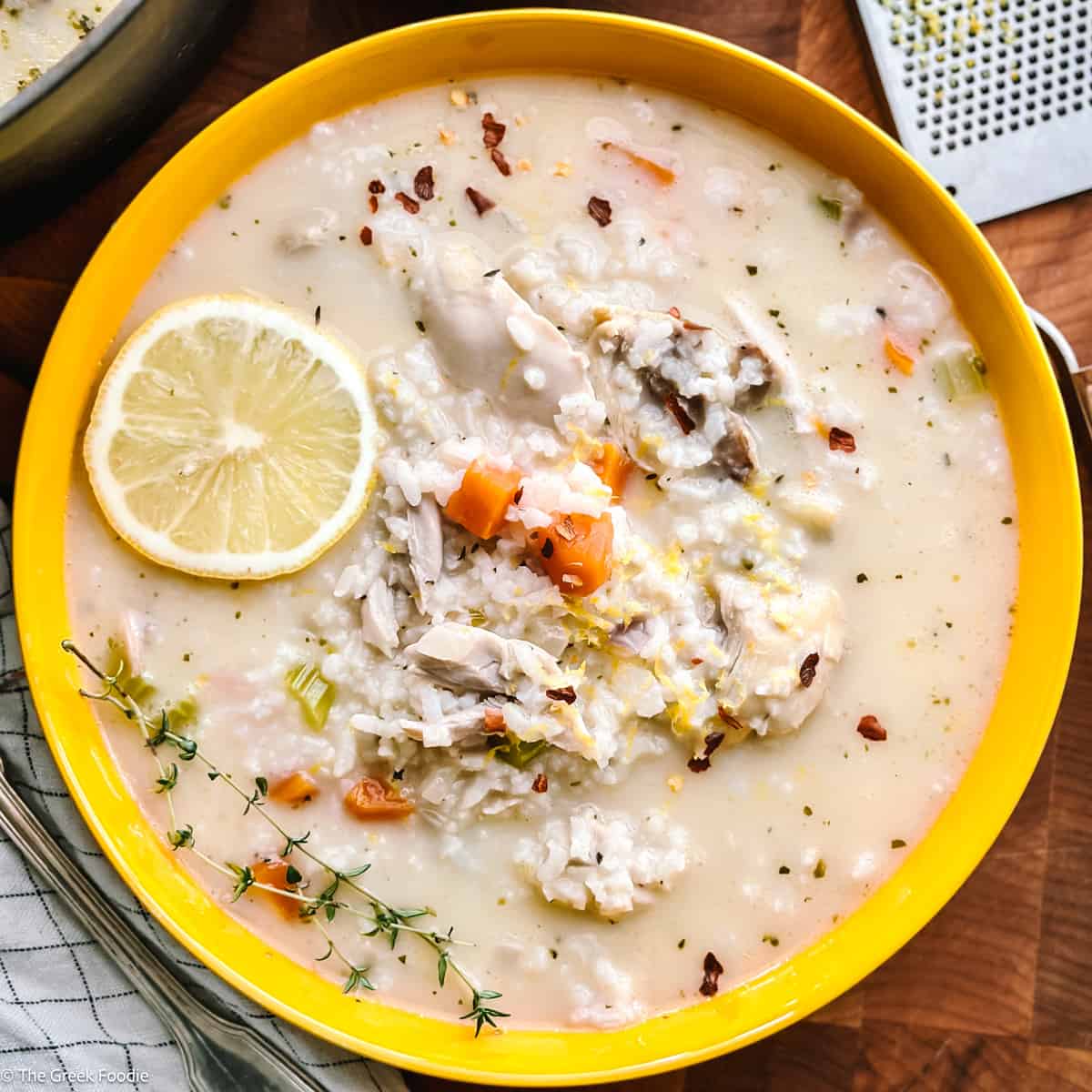
Chicken and rice in a golden broth, thickened at the end with eggs and lemon. It's the soup many Greek families eat after church at Christmas, a gentle first meal after weeks of fasting.
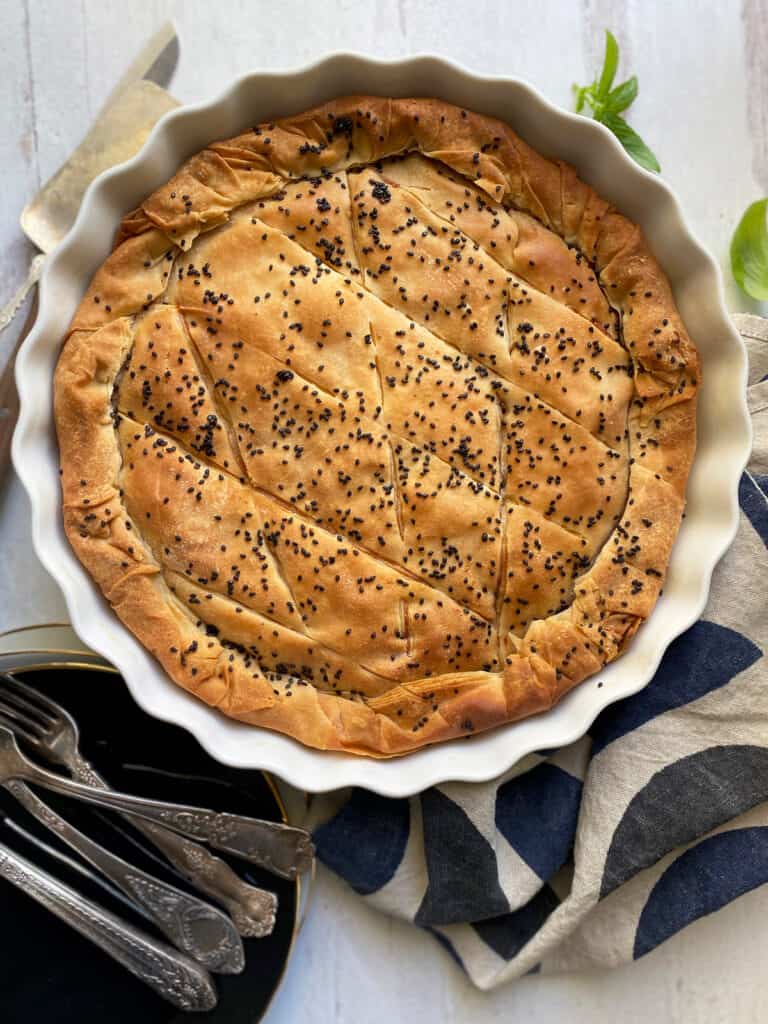
My grandmother Evgenia's Christmas pie: phyllo layered with kasseri cheese, spiced pastourma and thin tomato slices, finished with black sesame. It shared her table with roasts, potatoes and other pies, and it always won.
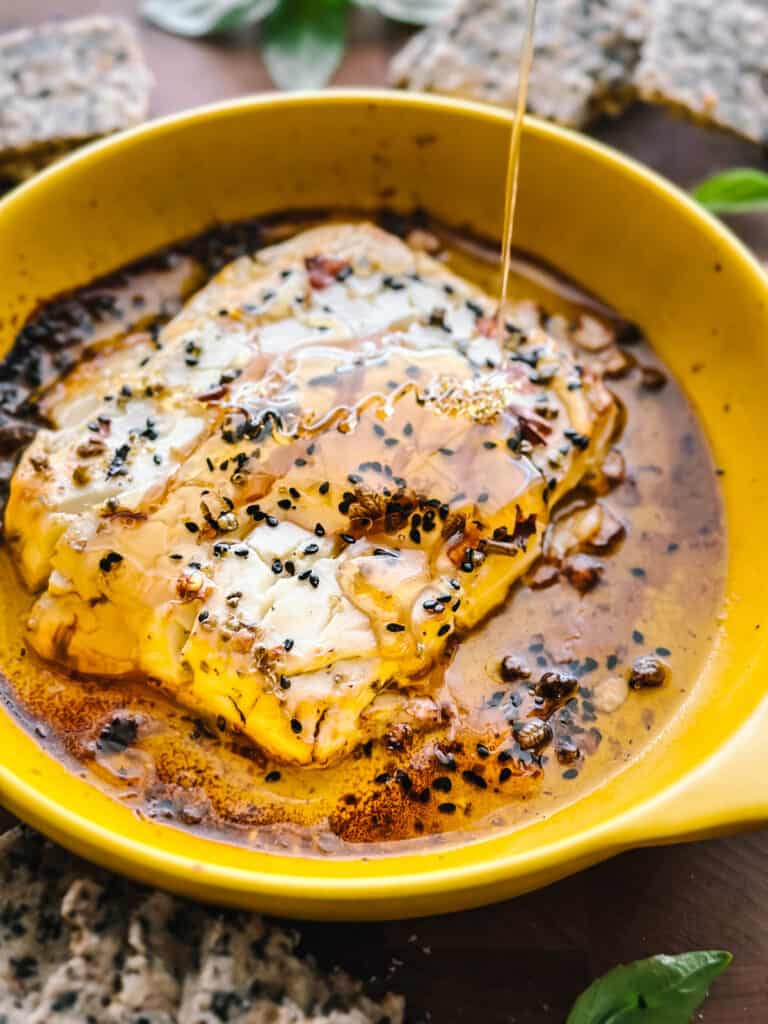
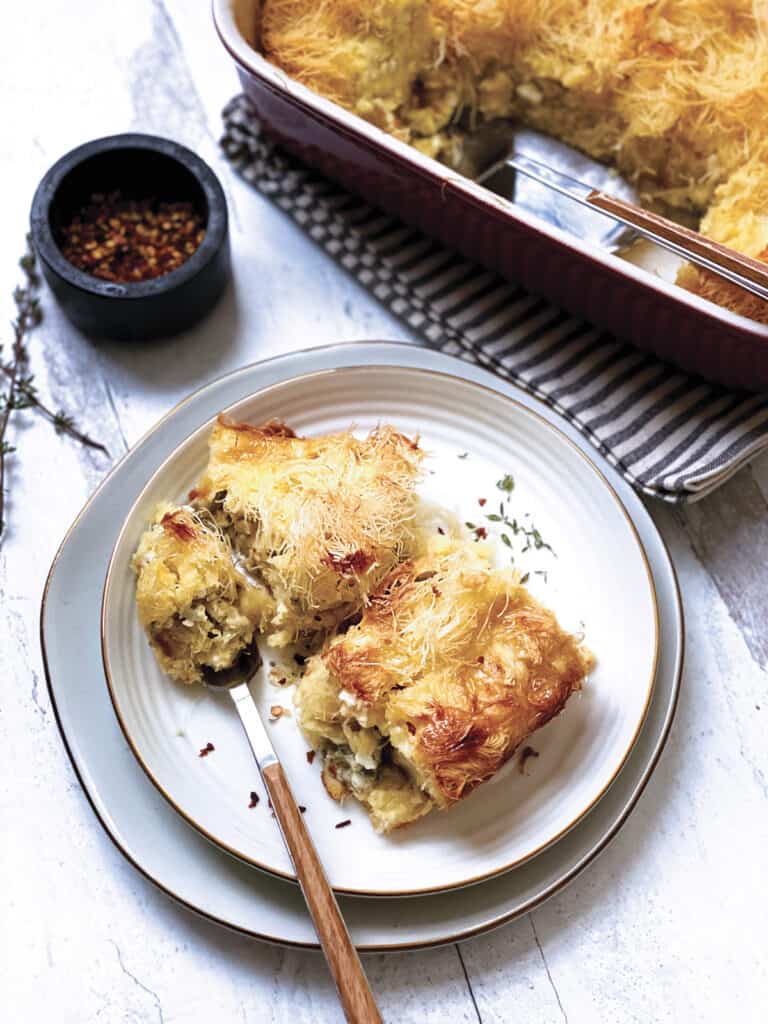
Shredded kataifi pastry around feta, a little Roquefort and mozzarella, soaked in a light egg custard and baked until crunchy on top and creamy inside. Cut it small for meze or big as a side.
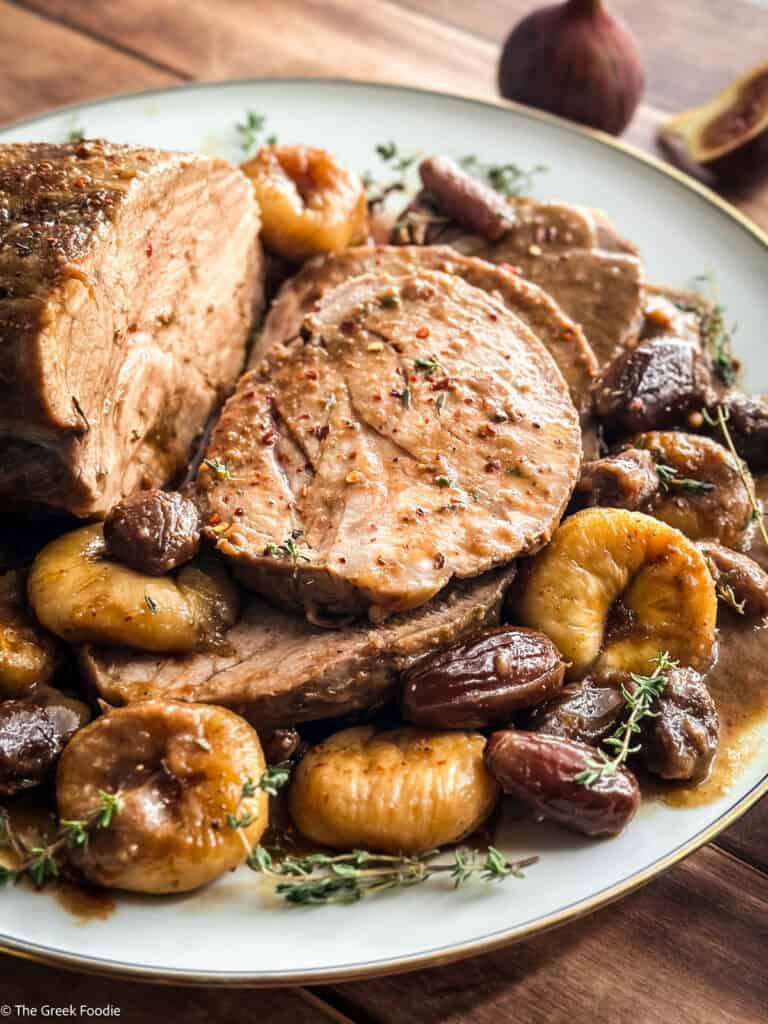
Pork is the traditional Greek Christmas meat, and this is how it was made at Grandma Evgenia's: braised slowly with dried figs, dates, chestnuts and the warm spices of her Constantinople kitchen. If you make one main from this list, make this one.
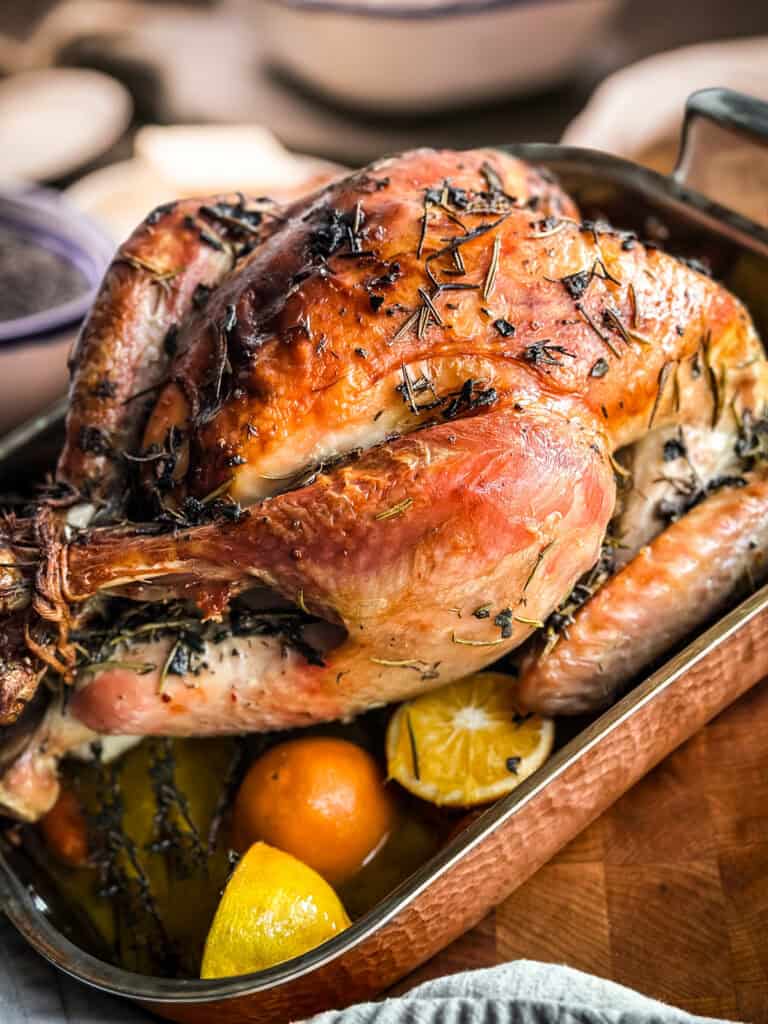
For a whole bird: dry brined for up to three days, then roasted with fresh herb butter under the skin over oranges, lemons and root vegetables. It's built to carry the Greek stuffing below.
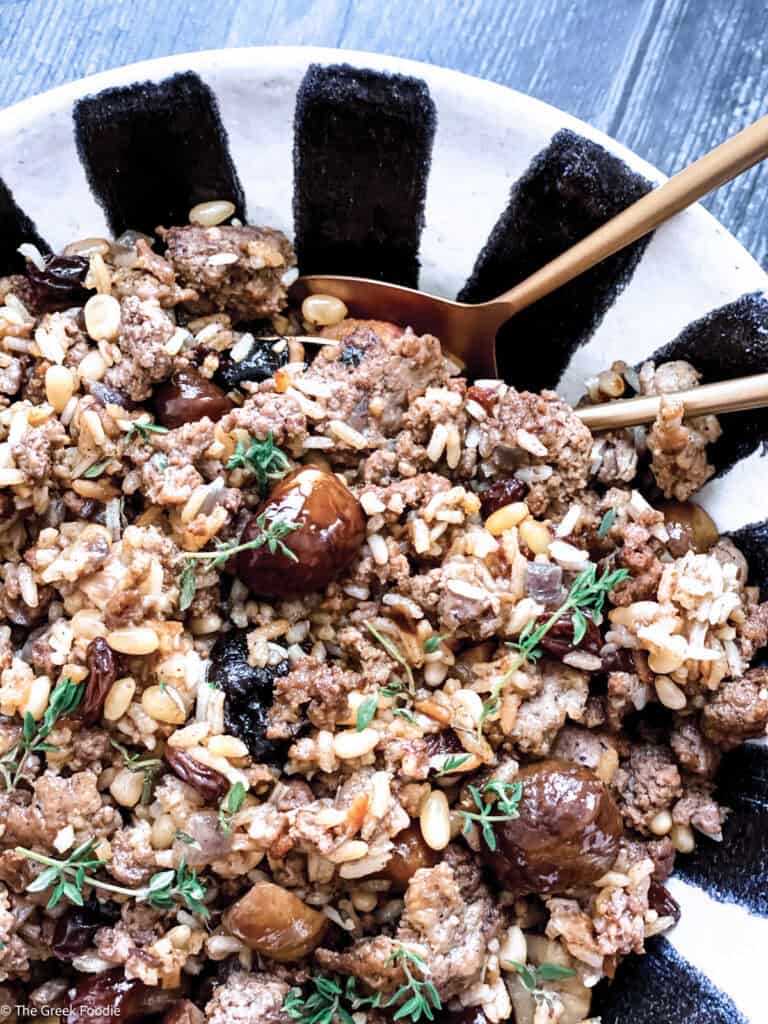
Rice, not bread, with sausage and beef, chestnuts, dates, prunes, raisins and pine nuts. It comes from my grandmother Evgenia's side of the family, and it's the reason I roast a turkey every year. Stuff the bird while the stuffing is hot, and check that its center reaches 165°F / 74°C.
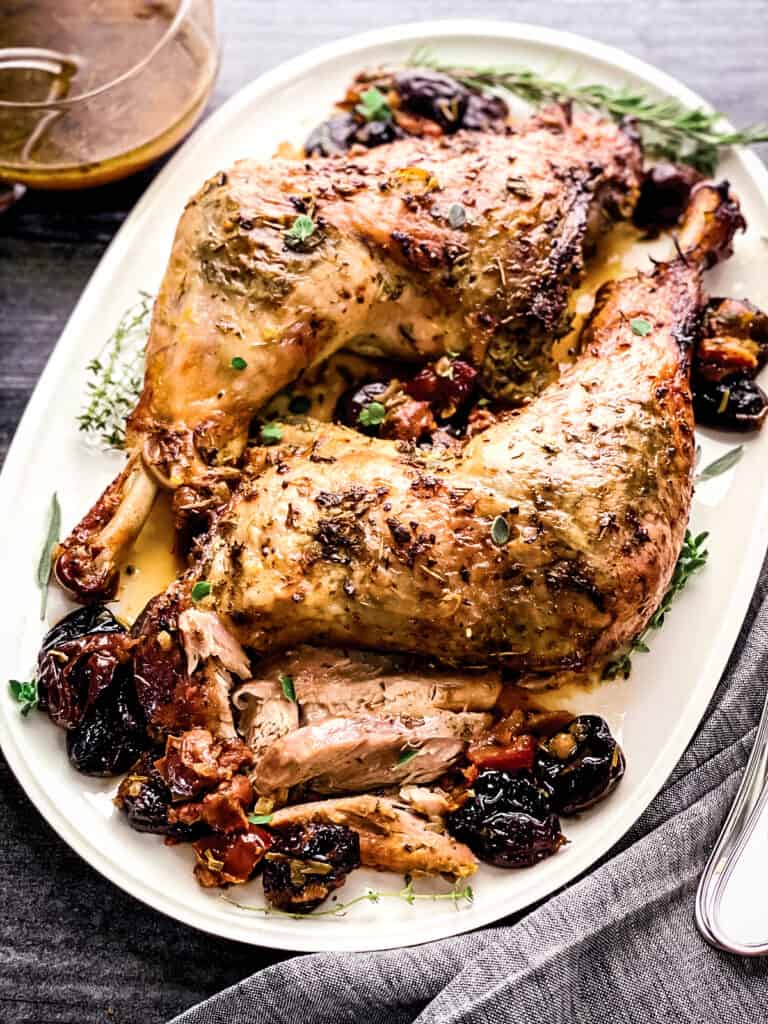
For a smaller table. Whole turkey legs are dry brined, then roasted low and slow with dates, prunes, white wine and citrus until the pan juices turn into a glossy, sweet-savory gravy. No whole bird to wrestle.
Lahanodolmades (stuffed cabbage rolls in avgolemono)
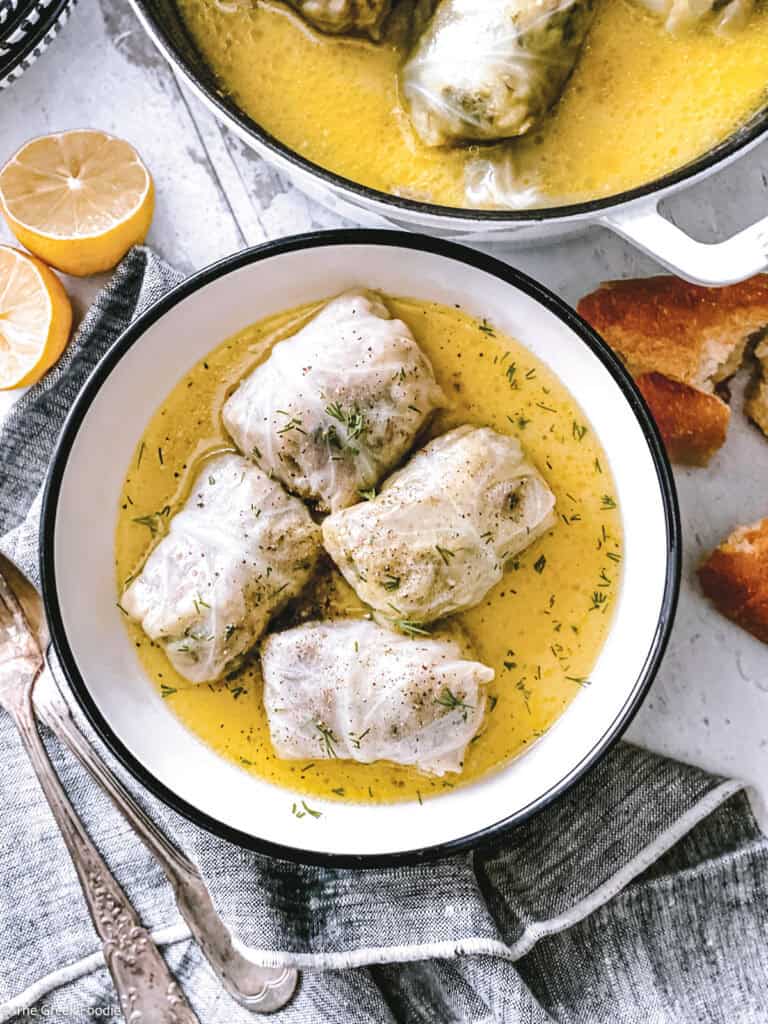
Cabbage leaves rolled around pork, beef and rice, simmered until silky and finished in egg-lemon sauce. The rolled leaves are said to stand for the swaddling clothes of the newborn Christ, which is why they turn up on so many Greek Christmas tables.
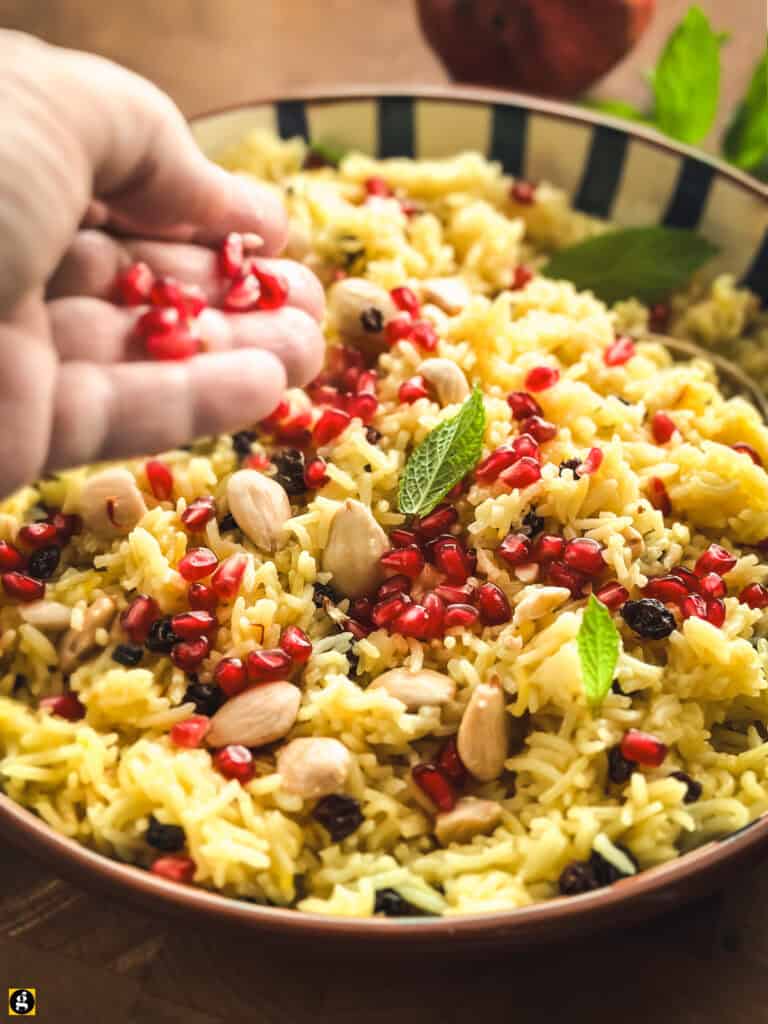
Evgenia's festive pilafi: basmati rice baked in butter with Kozani saffron and currants, finished with toasted almonds and pomegranate seeds. Make it on the stovetop when the oven is full.
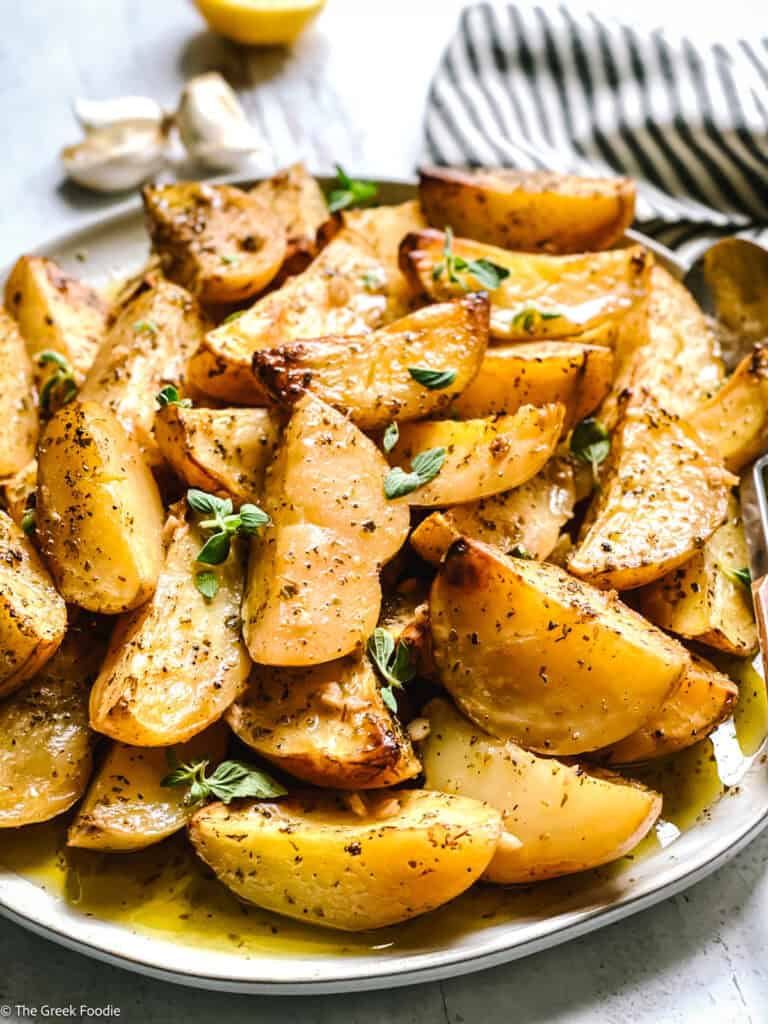
Potatoes roasted with lemon, garlic and oregano until the edges crisp and the centers soak up the juices. We always make two kinds of potatoes at Christmas so everyone's happy, and these are always one of them.
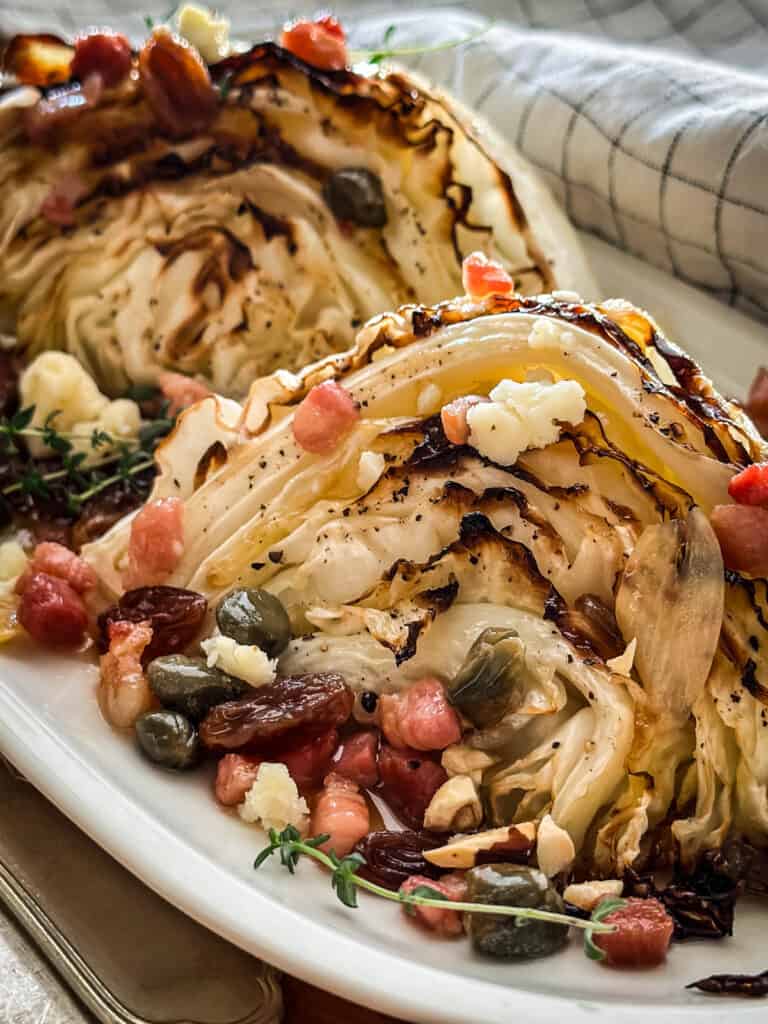
Cabbage wedges roasted until caramelized, then topped with a raisin-caper sauce, bacon, graviera and hazelnuts. It sounds unusual, and it's one of our favorite Christmas sides.
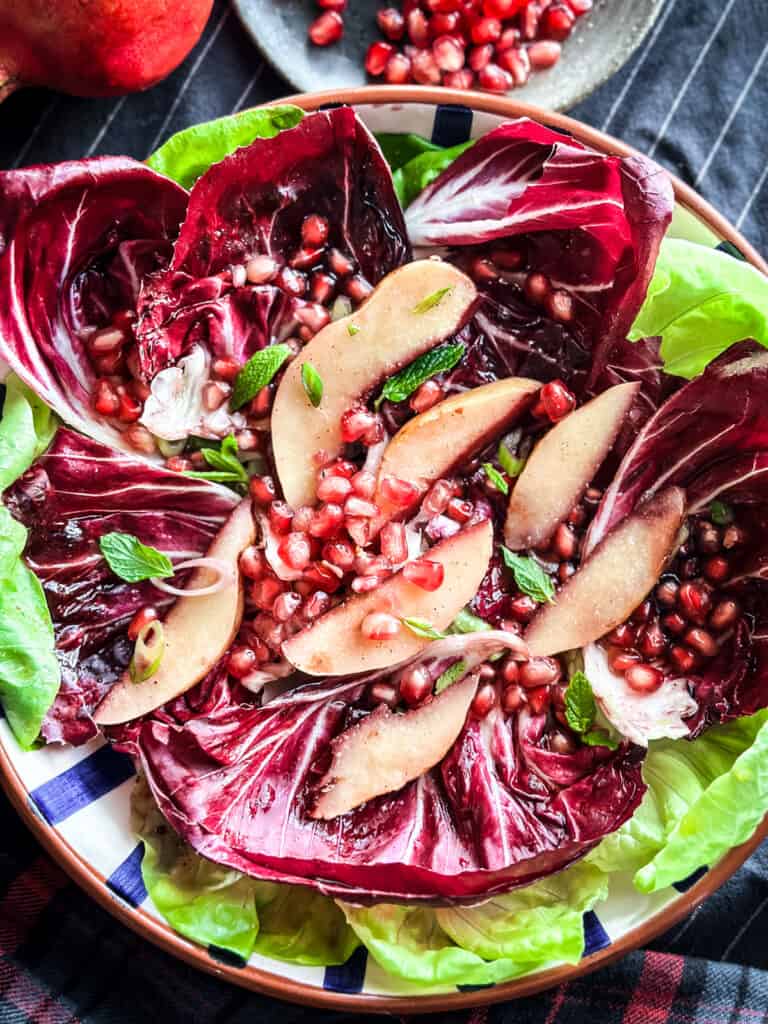
Bitter radicchio, quince roasted in sweet Mavrodaphne wine, fresh herbs and pomegranate seeds. It's the bright plate a rich holiday table needs, and the quince can be roasted two days ahead.
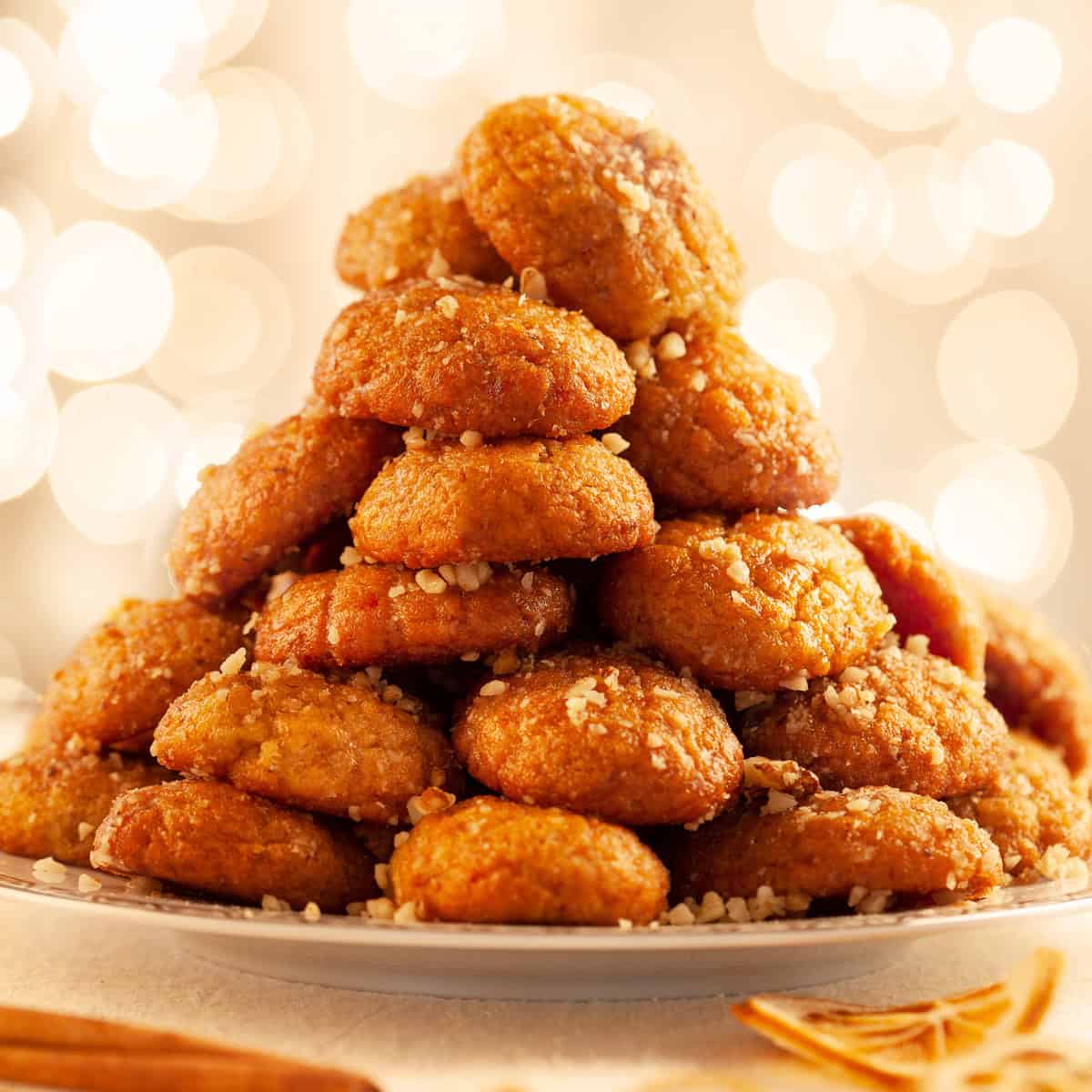
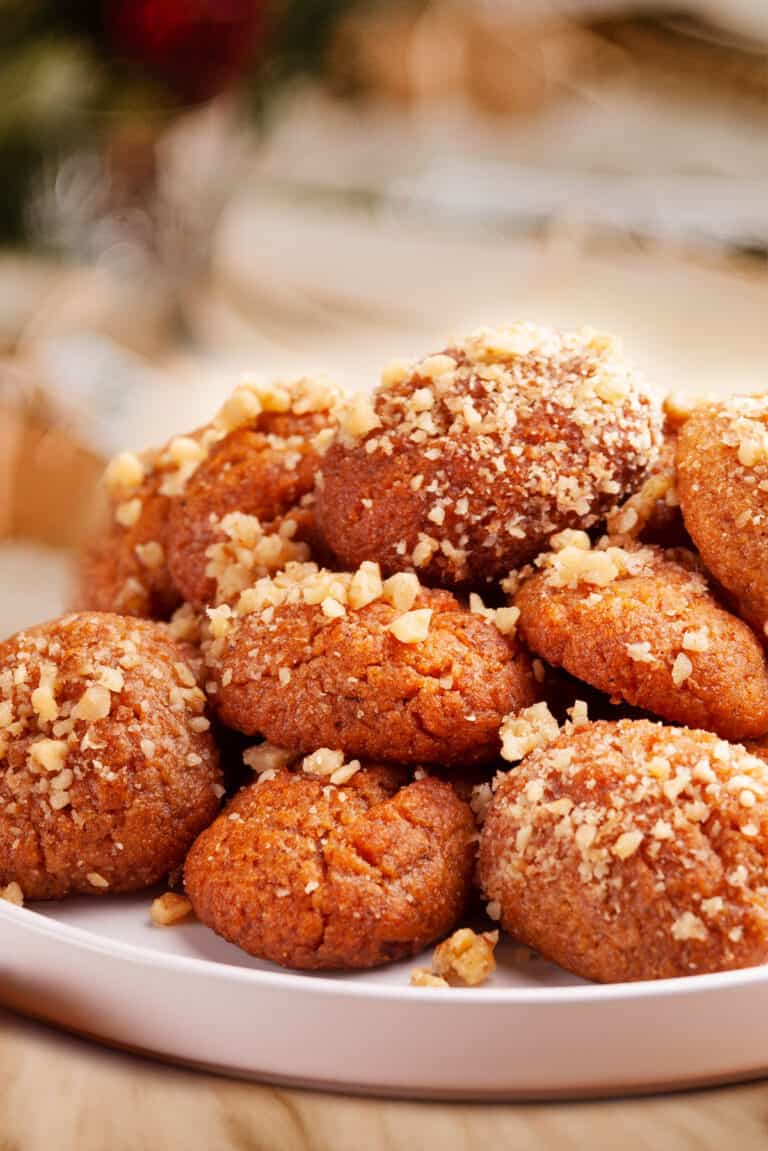
Olive oil cookies scented with orange, cinnamon and clove, dipped hot into cold honey syrup and topped with walnuts. When melomakarona appear in Greek bakeries, Christmas has started. They keep for up to a month in an airtight tin.
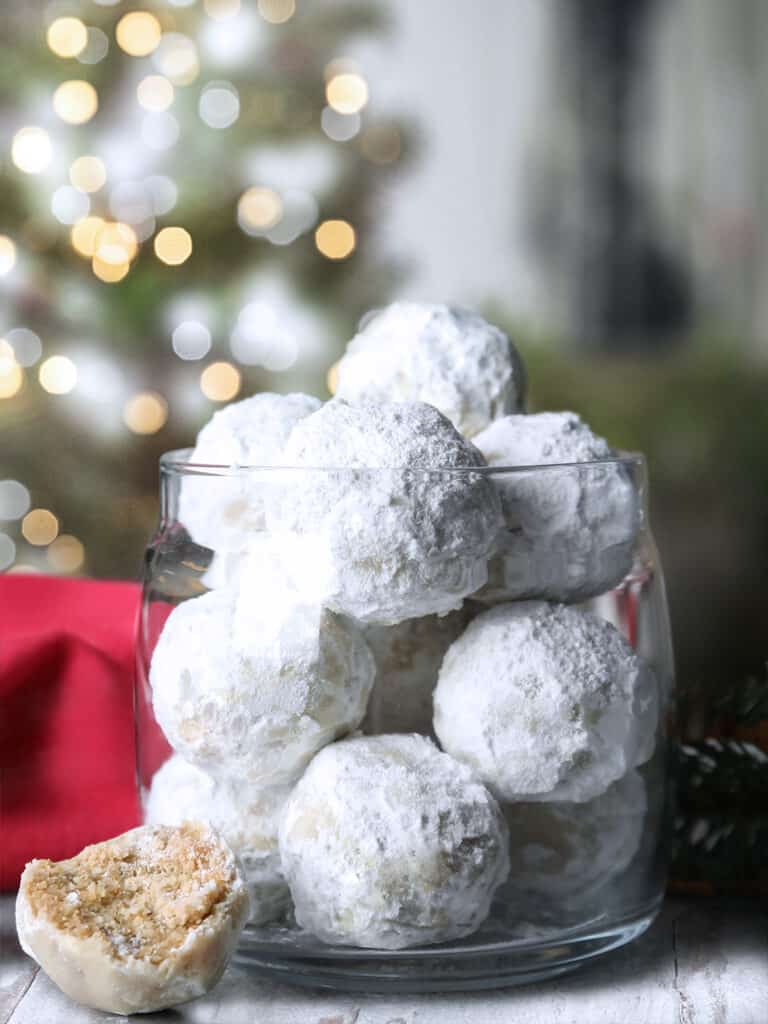
Buttery cookies with toasted almonds, rolled in powdered sugar once they're completely cool. They're melomakarona's partner on every Greek Christmas platter.
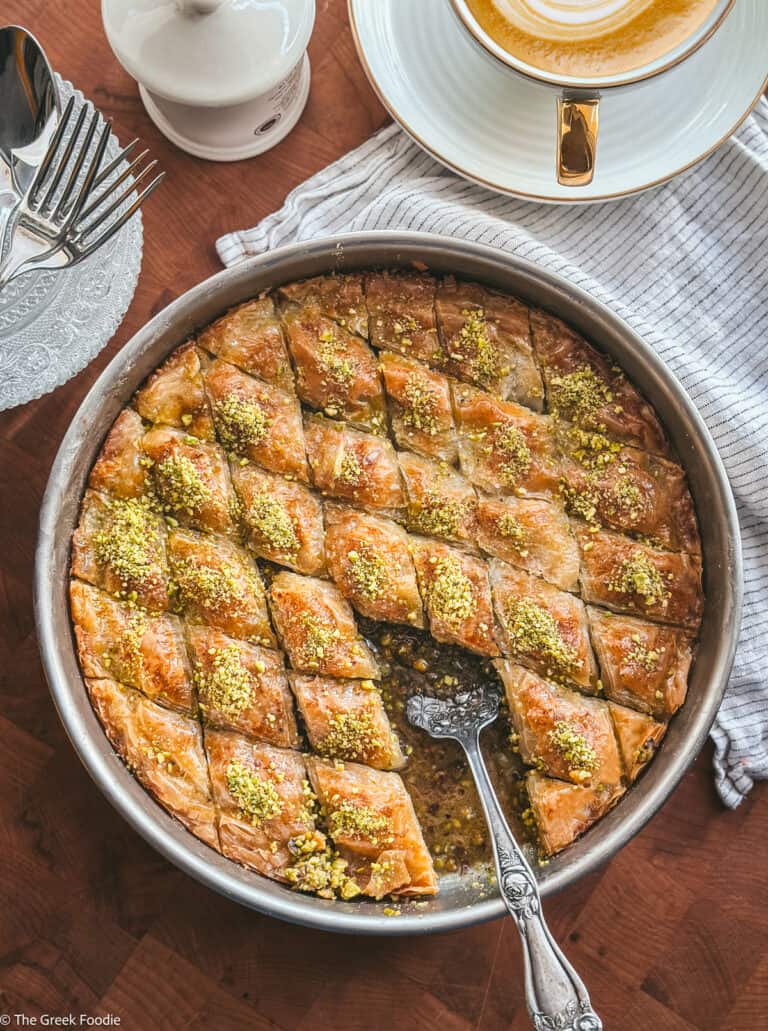
Phyllo layered with pistachios in the Constantinople style, baked low so the nuts stay green, with hot syrup poured over the hot baklava. Baklava isn't only a Christmas dessert, but few Greek holiday tables go without it.
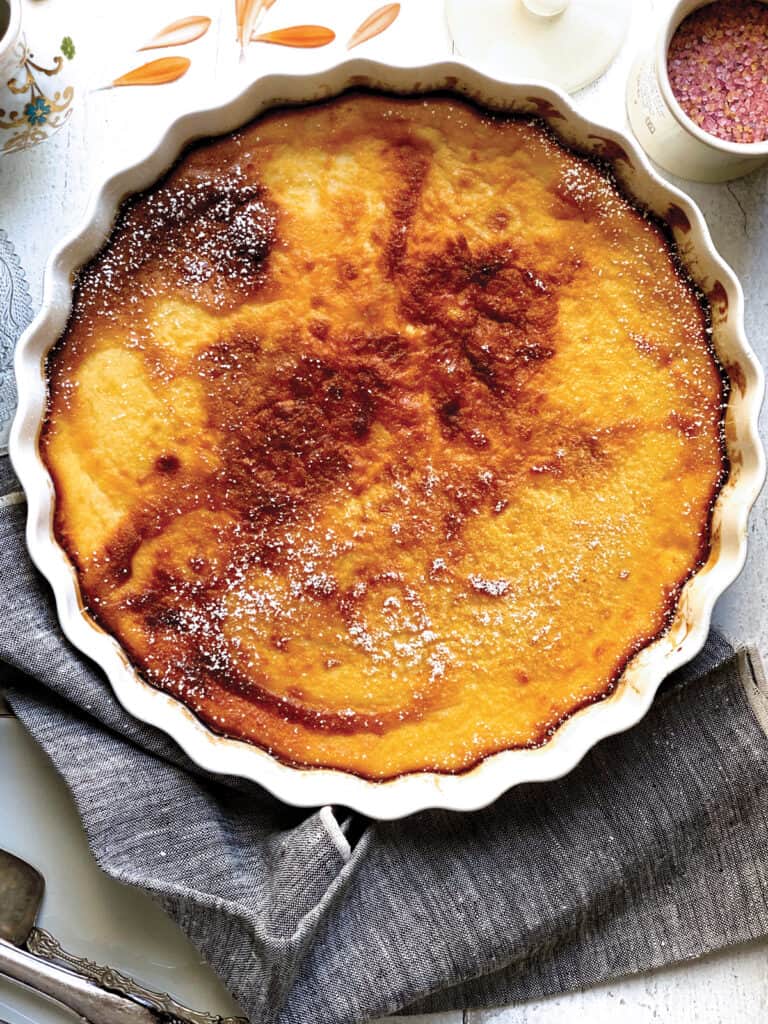
A soft, custardy milk pie that my grandmother Evgenia always baked in an aluminum pan. In Epirus, milk pie is part of the Christmas table, and it's the gentle dessert after a big meal.
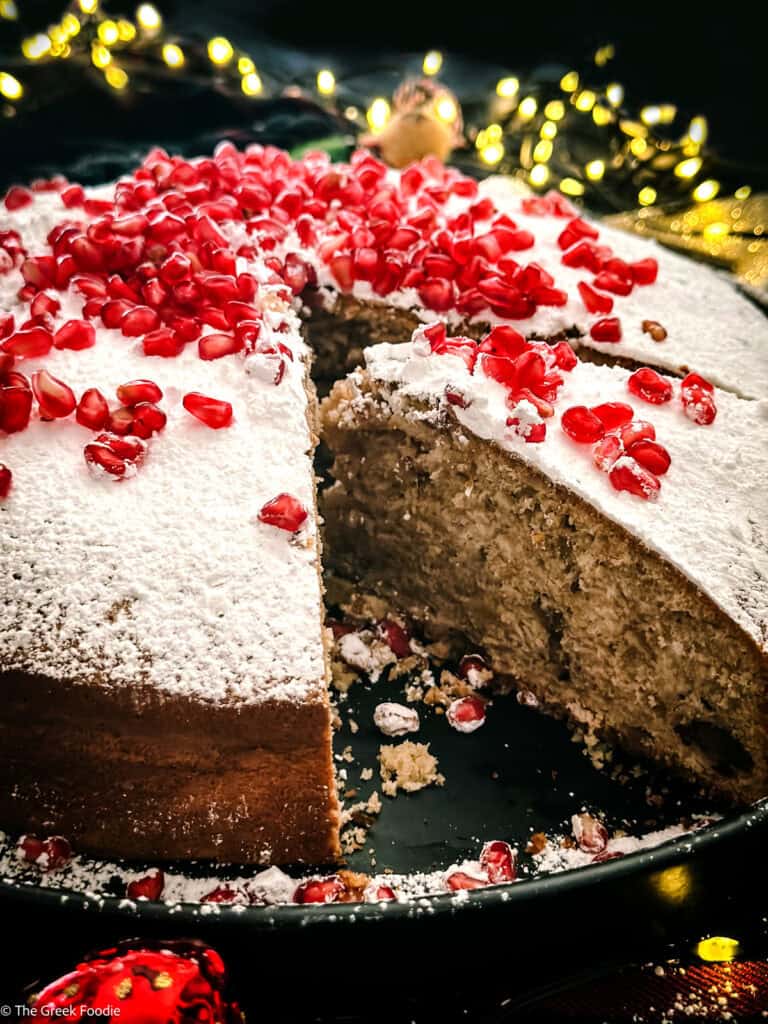
The cake you cut at midnight on New Year's, with a foil-wrapped coin hidden inside for the luckiest slice. Mine is orange and walnut, warmed with cinnamon, clove and brandy.
A Greek Christmas table looks like a week of work. Spread it out and Christmas Day is mostly reheating, roasting and carving.
Up to a month ahead. Bake the melomakarona; they keep for a month in an airtight tin, or up to a year in the freezer. Kourabiedes keep well too, as long as they’re sealed airtight with parchment between the layers.
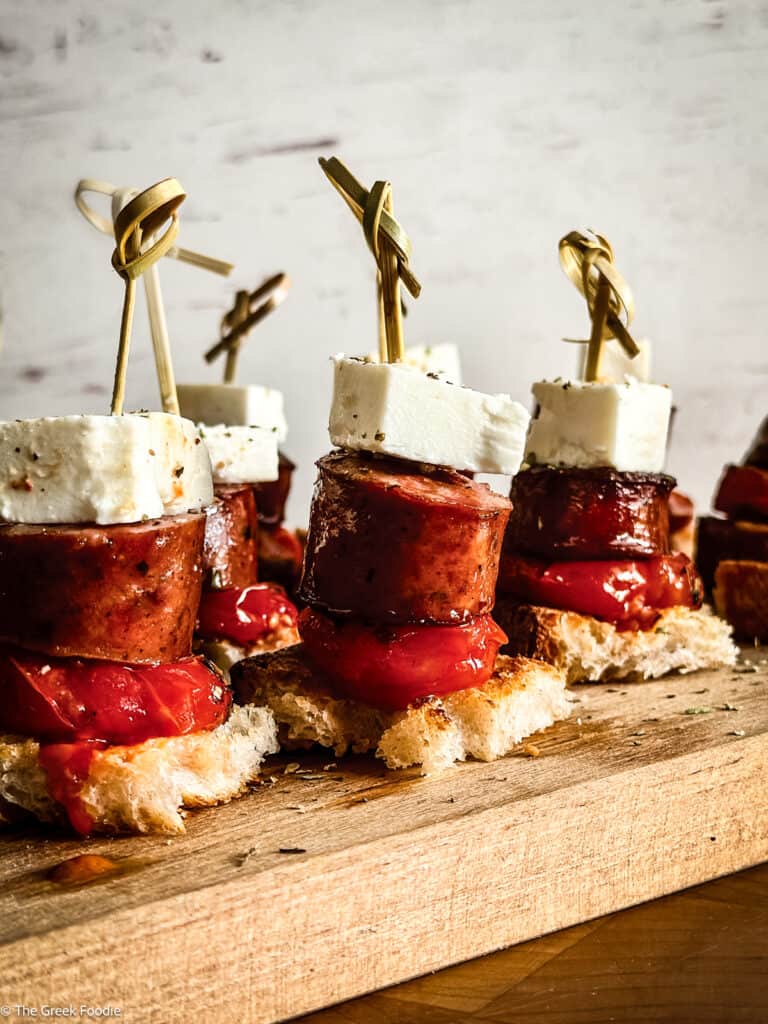
Three days before. Dry-brine the turkey or the turkey legs and leave them uncovered in the fridge. Make the tomato confit for the sausage bites.
Two days before. Roast the quince for the pomegranate salad and refrigerate it.
The day before. Make the herb butter for the turkey. For the stuffing, chop everything and brown the onion and meat, but leave the rice out. Bake the pilafi and keep the almonds and pomegranate separate. Bake the phyllo cups.
Christmas morning. Finish the stuffing with the rice, stuff the bird while the filling is hot, and get it straight into the oven. Never stuff a turkey ahead and refrigerate it.
While the turkey rests (30 minutes). Reheat the pilafi covered and add the toppings, dress the salad, and slice the pies.
Use a thermometer, not the clock. Turkey is done at 165°F / 74°C in the thickest part of the thigh, and the center of the stuffing needs to reach the same 165°F / 74°C.
Greek Christmas food FAQ
Traditionally pork, roasted or braised, often with dried fruit or chestnuts. Many families now serve turkey with a rice stuffing. Around it you’ll find avgolemono soup, stuffed cabbage rolls, savory pies, and melomakarona and kourabiedes for dessert. The details change from region to region.
Turkey is the newer tradition and pork is the older one. Today turkey is common, especially in Greek cities, and it’s stuffed with rice, ground meat, chestnuts and dried fruit rather than bread. My Greek turkey stuffing.
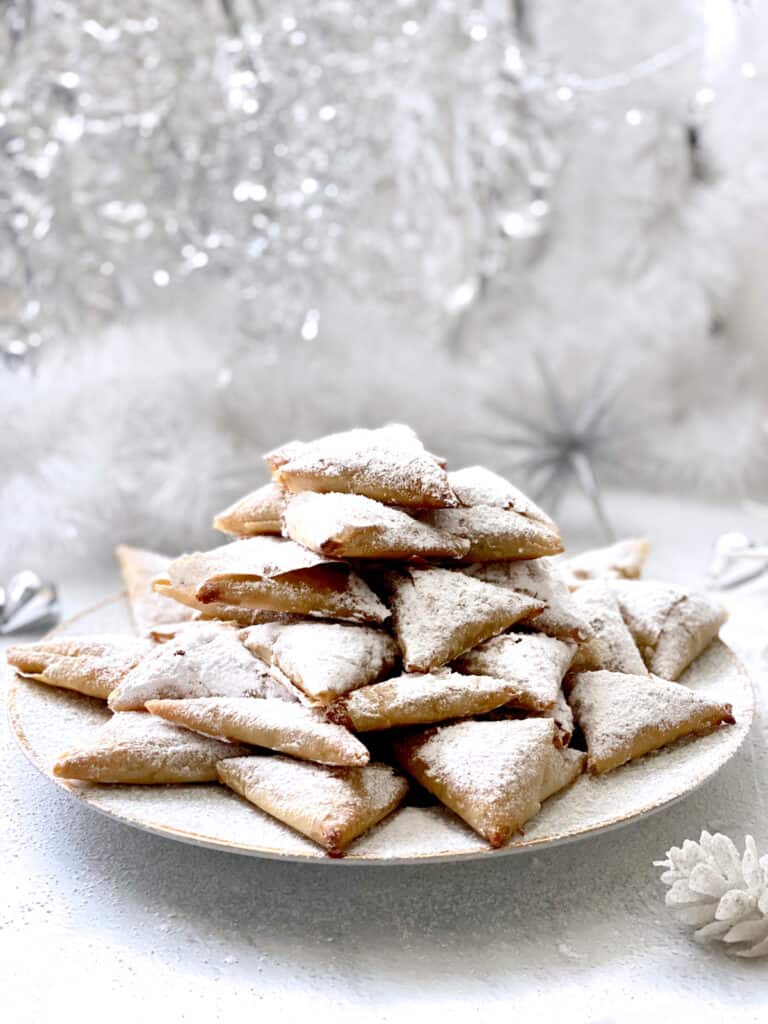
Melomakarona (honey-soaked spice cookies) and kourabiedes (butter cookies in powdered sugar) are the two classics. Baklava, christopsomo (Christmas bread) and, in the Peloponnese, diples (fried dough with honey) are common too. See all the desserts.
The Orthodox Nativity fast runs for 40 days, from November 15 to Christmas Eve, and many Greeks give up meat and dairy for all or part of it. That’s why Christmas dinner is such a feast: it’s the return of everything you’ve gone without.
Most of it. The cookies can be baked weeks ahead, the turkey dry brined three days out, and the pilafi and stuffing prep done the day before. Follow the make-ahead plan.
Cooked it? Rate it!
If you tried this recipe, I’d love to know how you liked it — drop a comment below or tag me on Instagram @thegreekfoodie__.